
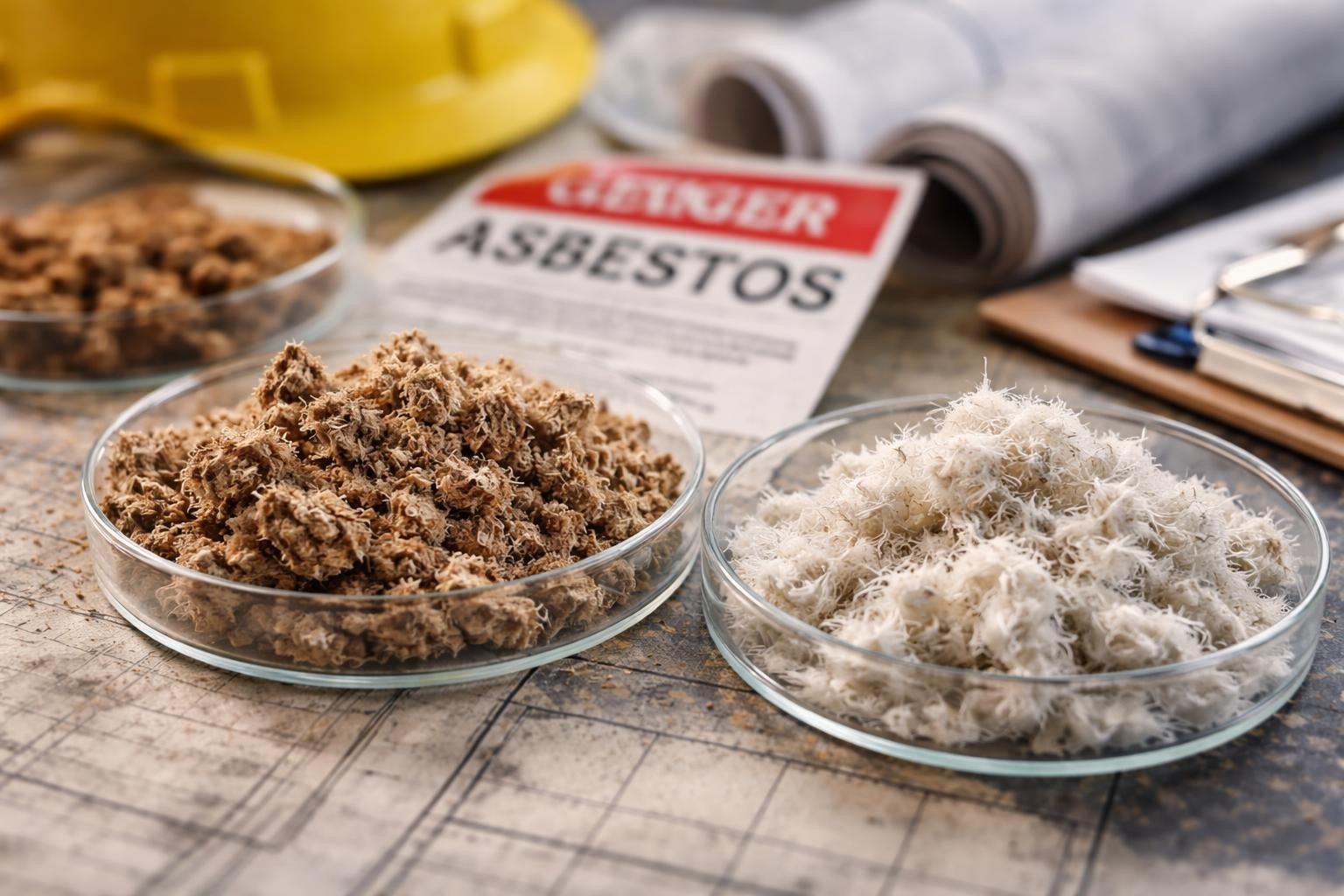
Amosite: Understanding the Brown Asbestos Hazard
Amosite represents one of the most dangerous forms of asbestos ever used in construction and industrial applications. Commonly referred to as brown asbestos due to its distinctive colouration, this fibrous mineral was extensively employed throughout the 20th century before its hazardous nature became fully understood. Understanding the specific risks, historical applications, and regulatory requirements surrounding this material remains essential for property owners, facilities managers, and anyone responsible for maintaining buildings constructed or refurbished before the year 2000.
What Makes Amosite Distinct from Other Asbestos Types
Amosite belongs to the amphibole group of asbestos minerals, distinguished by its straight, needle-like fibres that differ markedly from the serpentine structure of chrysotile white asbestos. The material derives its name from the acronym for "Asbestos Mines of South Africa," the primary source of this mineral throughout its commercial production period.
Physical and Chemical Properties
The distinctive brown to grey-brown colouration of amosite stems from its iron-rich chemical composition. This amphibole asbestos contains approximately 50% silica combined with iron and magnesium oxides, creating a material with exceptional heat resistance and tensile strength.
Key characteristics include:
- Superior heat resistance compared to chrysotile
- Excellent acid resistance properties
- High tensile strength and durability
- Needle-sharp fibres measuring 5-10 micrometres in length
- Brittle structure prone to fibre release when disturbed
These properties made amosite particularly attractive for high-temperature industrial applications and fire protection systems. However, research has shown that asbestos exposure poses significant cancer risks, with amphibole varieties like amosite presenting especially severe hazards.

Historical Applications and Where Amosite Appears
Throughout the mid-20th century, amosite found widespread application across numerous industries and building sectors. Its peak usage occurred between the 1950s and 1970s, though importation continued in many countries until the late 1980s.
Common Building Materials Containing Amosite
Property surveys conducted by professional asbestos management teams frequently identify this brown asbestos in specific locations and materials.
| Application Area | Typical Products | Risk Level |
|---|---|---|
| Thermal Insulation | Pipe lagging, boiler insulation, ceiling tiles | High |
| Fire Protection | Spray coatings, fire doors, fire-resistant panels | Very High |
| Roofing | Cement sheets, corrugated panels | Moderate |
| Flooring | Vinyl floor tiles, tile adhesives | Low to Moderate |
| Building Panels | Insulation boards, partition walls | High |
Industrial and Commercial Settings
Manufacturing facilities, power stations, and chemical plants utilized amosite extensively due to its superior heat resistance. Shipbuilding industries incorporated the material throughout vessel construction, whilst railway infrastructure included it in brake components and fire-resistant materials.
The presence of amosite in these diverse applications means that refurbishment and demolition surveys must account for multiple potential locations. Even modern buildings may contain remnant materials if constructed using recycled components or if renovation work occurred during periods when asbestos remained legal.
Health Risks Associated with Amosite Exposure
The health implications of amosite exposure exceed those associated with many other asbestos varieties. The straight, needle-like fibres penetrate deep into lung tissue, where their durability and sharp structure cause persistent inflammation and cellular damage.
Diseases Linked to Amosite Fibres
Medical research has established clear connections between amosite exposure and severe respiratory conditions. The health hazards outlined by OSHA emphasize the particular danger posed by amphibole asbestos types.
Primary health conditions include:
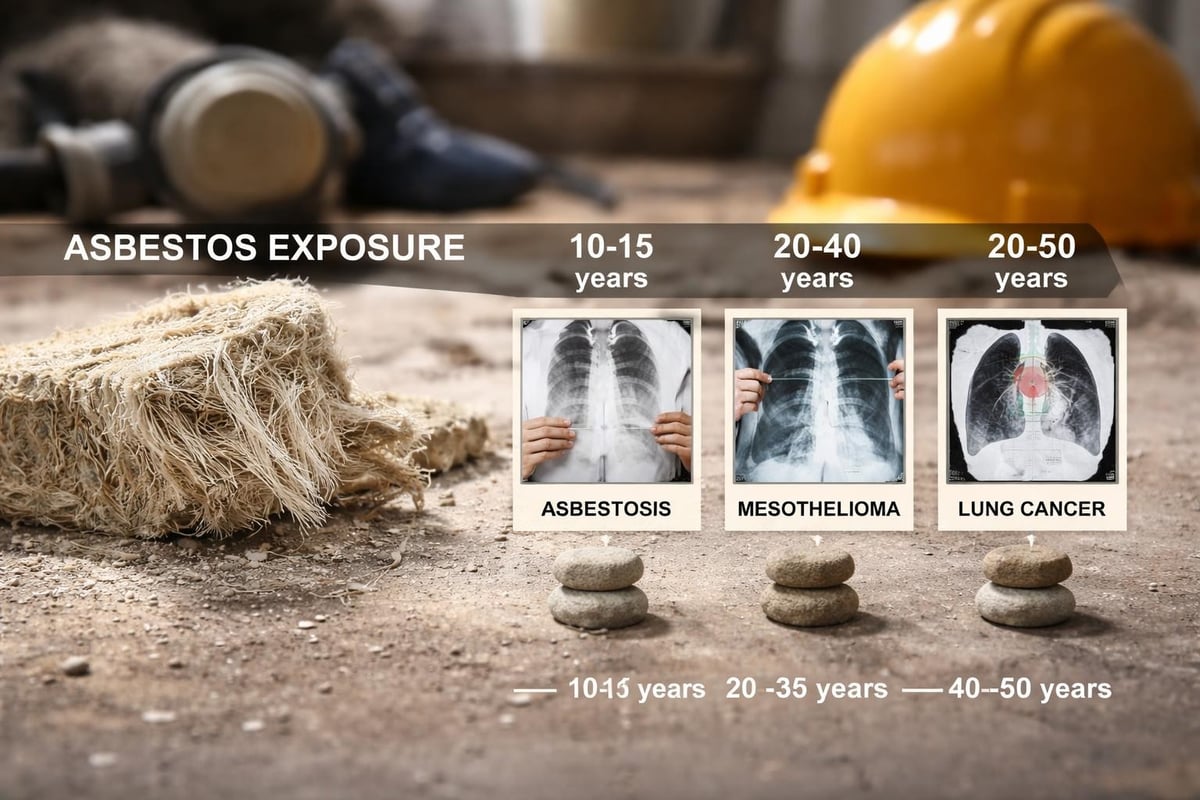
- Mesothelioma - A cancer affecting the lung lining, strongly associated with amosite exposure
- Asbestosis - Progressive scarring of lung tissue reducing respiratory function
- Lung Cancer - Significantly elevated risk, particularly among smokers
- Pleural Thickening - Scarring of the lung membrane causing breathing difficulties
Latency Periods and Exposure Thresholds
Asbestos-related diseases typically manifest decades after initial exposure, with latency periods ranging from 15 to 50 years. This delayed onset complicates risk assessment and emphasizes the importance of comprehensive asbestos management plans for any building potentially containing these materials.
No safe exposure threshold exists for amosite fibres. Even brief encounters with disturbed material can result in fibre inhalation sufficient to trigger disease development years later. This reality underscores why professional assessment remains non-negotiable when dealing with suspected amosite-containing materials.
Regulatory Framework Governing Amosite in the UK
The United Kingdom implemented comprehensive legislation addressing asbestos hazards, with specific provisions recognizing the heightened dangers of amphibole varieties like amosite. Understanding these regulations proves essential for compliance and risk management.
Key Legislative Requirements
The Control of Asbestos Regulations 2012 establishes the current legal framework governing asbestos management in the UK. These regulations impose strict duties on property owners and employers to manage asbestos risks effectively.
Critical regulatory obligations include:
- Conducting thorough asbestos surveys before refurbishment or demolition work
- Maintaining comprehensive asbestos registers for all non-domestic premises
- Implementing management plans addressing identified asbestos-containing materials
- Ensuring competent persons undertake asbestos surveys and risk assessments
- Providing adequate training for personnel who may encounter asbestos
The regulations make no distinction between asbestos types in terms of management requirements, though risk assessments should acknowledge the particularly hazardous nature of amosite. Understanding these compliance requirements helps duty holders fulfill their legal responsibilities effectively.
Import and Use Prohibitions
The UK banned amosite importation in 1985, recognizing its severe health risks earlier than bans on other asbestos types. Complete prohibition of all asbestos varieties followed in 1999, making it illegal to import, supply, or use asbestos in any form.
Despite these longstanding bans, significant quantities of amosite remain present in buildings constructed or refurbished before the mid-1980s. This legacy material continues to pose risks when disturbed, damaged, or deteriorating, necessitating ongoing vigilance and professional management.
Identification and Testing Procedures
Visual identification of amosite presents challenges even for experienced professionals. The material's brown colouration provides some indication, but definitive identification requires laboratory analysis of collected samples.
Survey Methodologies
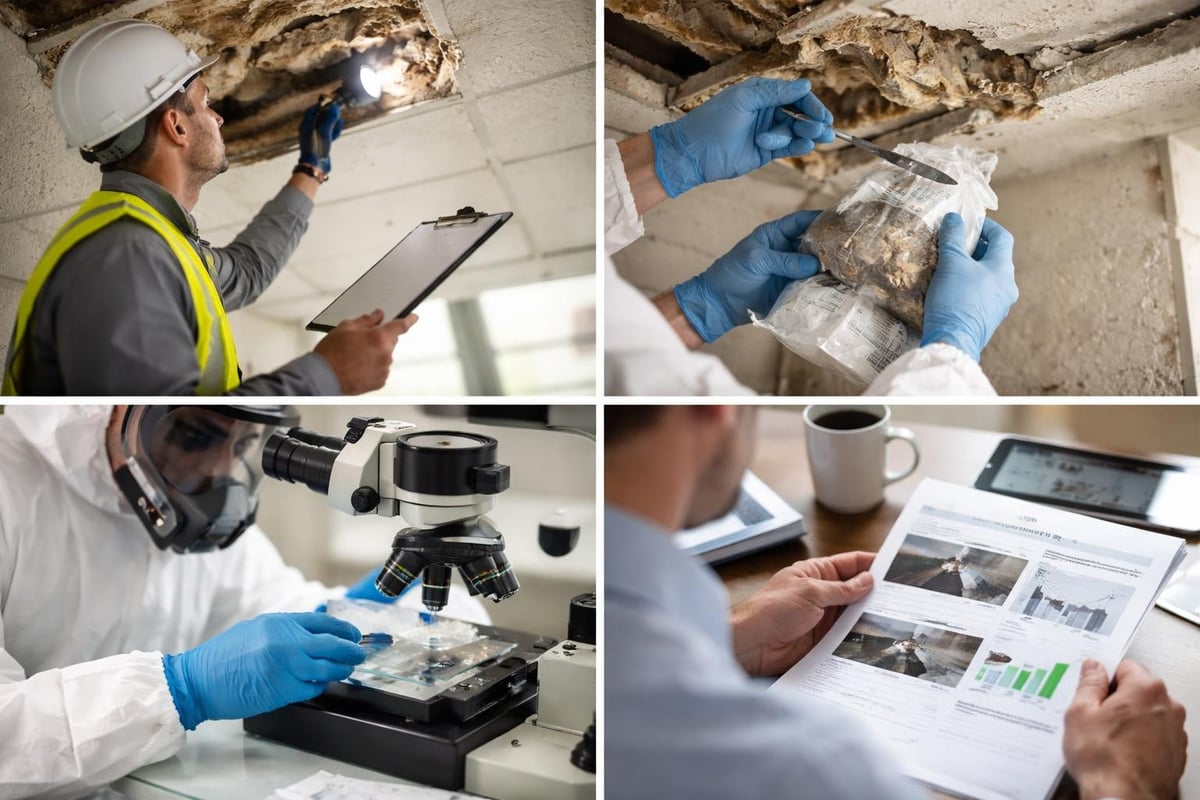
Professional asbestos surveys employ systematic approaches to locate and assess potential amosite-containing materials. Management surveys provide baseline information for ongoing building management, whilst more intrusive investigations precede renovation or demolition activities.
Survey procedures typically involve:
- Comprehensive building inspection identifying suspect materials
- Collection of representative samples from identified materials
- Laboratory analysis using polarized light microscopy or electron microscopy
- Material condition assessment and risk evaluation
- Documentation in detailed survey reports and asbestos registers
Laboratory Analysis Techniques
Sampling and laboratory analysis services utilize specialized techniques to confirm asbestos presence and identify specific varieties. Polarized light microscopy represents the standard analytical method, capable of distinguishing amosite from other asbestos types through characteristic optical properties and fibre morphology.
| Analysis Method | Capability | Typical Use |
|---|---|---|
| Polarized Light Microscopy | Type identification, percentage estimation | Standard bulk sample analysis |
| Scanning Electron Microscopy | Detailed fibre characterization | Disputed samples, research |
| Transmission Electron Microscopy | Individual fibre analysis | Air monitoring, trace detection |
The brown asbestos variety exhibits distinctive optical characteristics under polarized light, including specific refractive indices and pleochroism that trained analysts recognize. However, comprehensive information on asbestos types demonstrates that conclusive identification requires expert interpretation rather than simple visual observation.
Management Strategies for Amosite-Containing Materials
Discovering amosite within a property demands careful consideration of management options. Removal represents only one possible approach, with encapsulation, enclosure, or monitoring often providing more appropriate solutions depending on material condition and location.
Risk Assessment Considerations
Material risk assessment evaluates multiple factors determining the priority level assigned to identified amosite. High-priority materials require immediate action, whilst lower-risk items may be safely managed through regular monitoring and maintenance procedures.
Assessment criteria include:
- Material type and friability (ease of fibre release)
- Surface treatment and current condition
- Extent and accessibility of the material
- Likelihood of disturbance through normal building use
- Occupancy levels and building use patterns
Encapsulation and Enclosure Options
When amosite-containing materials remain in good condition and unlikely to face disturbance, encapsulation or enclosure often provides cost-effective management. Encapsulation involves applying specialized sealants that bind surface fibres, whilst enclosure creates physical barriers preventing access to the material.
These approaches require ongoing monitoring to ensure their continued effectiveness. Re-inspection surveys at appropriate intervals verify that encapsulation remains intact and that material condition has not deteriorated.
Removal Protocols and Safety Requirements
Removal becomes necessary when amosite-containing materials face imminent disturbance, show significant deterioration, or present unacceptable risks. Licensed asbestos removal contractors must undertake this work under strictly controlled conditions.
The removal process involves:
- Establishment of controlled asbestos removal areas with negative pressure systems
- Use of appropriate personal protective equipment including respiratory protection
- Careful removal minimizing fibre release through controlled wetting and handling
- Double-bagging of waste materials in labeled asbestos disposal bags
- Comprehensive decontamination procedures and air monitoring
Air monitoring and clearance testing following removal work confirms that the area meets reoccupation standards before reinstating normal building use.
Training and Competency Requirements
Personnel working with or around amosite require appropriate training aligned with their potential exposure levels and job responsibilities. The HSE defines specific training categories based on work activities and associated risks.
Training Categories and Content
Category A Training (Awareness) suits employees who might encounter asbestos during their work but don't directly handle it. This includes maintenance workers, electricians, and facilities managers who need to recognize potential asbestos materials.
Category B Training (Non-Licensed Work) applies to operatives undertaking minor work with non-licensed asbestos materials, such as removing small quantities of asbestos cement in good condition.
Category C Training (Licensed Work) equips specialists to remove high-risk asbestos materials including amosite insulation, sprayed coatings, and insulation boards. This comprehensive training covers advanced techniques, legislation, and health risks.
Duty holders benefit from training and awareness programmes ensuring their teams understand asbestos risks and management responsibilities. Given the particular hazards associated with amosite, this knowledge proves invaluable for preventing inadvertent exposure.
Documentation and Record-Keeping Obligations
Comprehensive documentation forms the cornerstone of effective asbestos management. The Control of Asbestos Regulations 2012 mandates specific record-keeping requirements that duty holders must fulfill.
Asbestos Registers and Management Plans
Asbestos registers provide detailed inventories of all identified or presumed asbestos-containing materials within a property. These documents must remain readily accessible to anyone who might disturb the fabric of the building during maintenance, repair, or renovation work.
Effective registers include:
- Precise location descriptions with floor plans and photographs
- Material type identification including asbestos variety where known
- Condition assessment and risk rating
- Recommended management actions and timescales
- Survey information including survey date and surveyor details
Management plans complement registers by establishing procedures for managing identified risks. These documents outline responsibilities, control measures, emergency procedures, and review schedules ensuring ongoing compliance.
Record Retention Periods
Regulations require retention of asbestos-related documentation for specified minimum periods. Survey records, management plans, and asbestos registers must be preserved for the duration of building occupancy and made available during property transactions.
Work records documenting asbestos removal or remediation require retention for at least 40 years, reflecting the extended latency periods associated with asbestos-related diseases. This extended record-keeping supports potential future health claims and demonstrates regulatory compliance.
Future Considerations and Ongoing Challenges
Despite comprehensive bans implemented decades ago, amosite continues posing risks throughout the UK building stock. The material's durability ensures its persistence in structures constructed during its period of use, creating ongoing management challenges.
Building Lifecycle Management
Property owners face complex decisions regarding aging amosite-containing materials. As buildings age, materials that once presented minimal risks may deteriorate, increasing exposure potential. Compliance audits help organizations verify their management systems remain effective as circumstances evolve.
Climate change and extreme weather events add further complexity. Water ingress from severe storms can damage amosite insulation, whilst heating extremes may accelerate material degradation. Proactive monitoring and maintenance prove essential for anticipating and addressing these emerging risks.
Technological Advances in Management
Modern digital compliance systems streamline asbestos management through centralized databases, automated reminder systems, and mobile survey capabilities. These technologies enhance record accuracy, improve accessibility, and reduce administrative burdens associated with regulatory compliance.
Advanced analytical techniques continue improving asbestos identification accuracy and detection limits. Electron microscopy methods enable identification of individual fibres in air samples, supporting more precise exposure assessments and clearance verification following remediation work.
The integration of building information modeling (BIM) with asbestos management presents opportunities for enhanced spatial data visualization and lifecycle planning. These developments promise improved risk communication and more informed decision-making regarding building maintenance and refurbishment activities.
Understanding the specific hazards posed by amosite and implementing robust management strategies protects building occupants whilst ensuring regulatory compliance. Professional assessment, appropriate risk controls, and comprehensive documentation form the foundation of effective asbestos management in any property potentially containing these dangerous fibres. If you require expert assistance with asbestos surveys, management planning, or compliance verification, Asbestosurv Ltd delivers comprehensive consultancy services backed by accredited expertise and unwavering commitment to safety across the UK.
Need Professional Asbestos Advice?
Contact our expert team for guidance on your specific requirements
Contact Us