
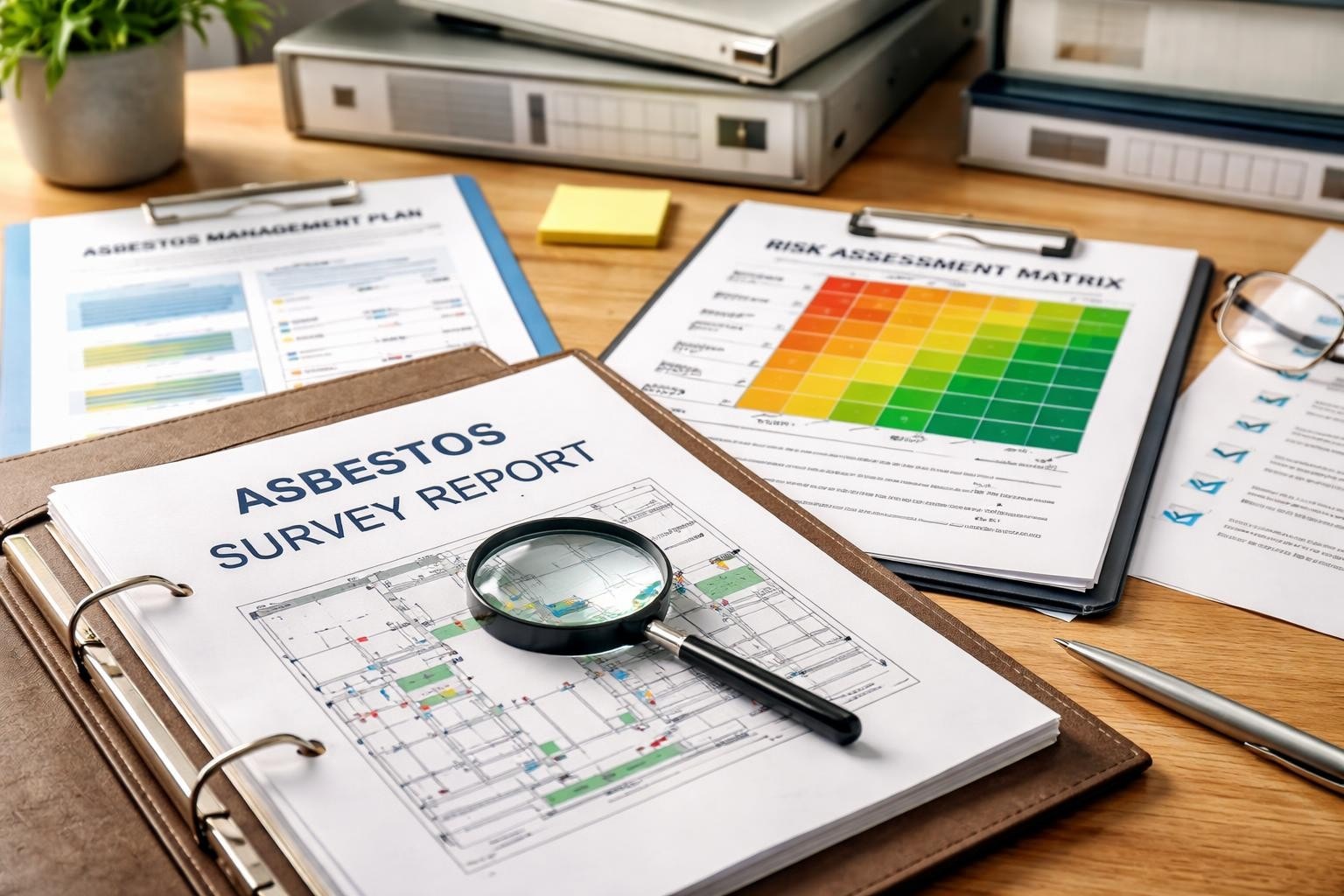
Asbestos Plan: Essential Guide for UK Compliance
An asbestos plan represents a critical component of workplace safety and regulatory compliance for any organisation managing buildings constructed before 2000. This comprehensive document outlines how asbestos-containing materials (ACMs) are identified, assessed, managed, and monitored throughout their lifecycle. Whether you're a facilities manager, landlord, school administrator, or business owner, understanding the purpose, structure, and implementation of an effective asbestos plan is essential for protecting occupants and meeting legal obligations under the Control of Asbestos Regulations 2012.
Understanding the Legal Framework
The duty to manage asbestos in non-domestic premises is mandated by UK law, requiring duty holders to take reasonable steps to determine the presence of ACMs and manage the associated risks. This legal requirement forms the foundation of why every organisation needs a robust asbestos plan. The Health and Safety Executive provides detailed guidance on writing and monitoring asbestos management plans, emphasising the structured approach necessary for compliance.
Property owners and managers must recognise their responsibilities extend beyond simply conducting surveys. The asbestos plan serves as a living document that evolves with building changes, maintenance activities, and risk reassessments. For comprehensive support with regulatory compliance, Asbestosurv Ltd's management surveys provide the foundation for creating accurate documentation.
Core Regulatory Requirements
UK legislation specifies several mandatory elements that must feature in any compliant asbestos plan:
- Identification of all ACMs through competent surveys
- Risk assessment based on material condition and likelihood of disturbance
- Documented procedures for managing identified risks
- Emergency response protocols
- Regular review and update schedules
- Training records for staff who may encounter asbestos
The regulations also require that plans remain accessible to anyone who might work on or disturb the building fabric. This accessibility ensures contractors, maintenance staff, and emergency responders can make informed decisions before commencing work.
Essential Components of an Effective Asbestos Plan
A comprehensive asbestos plan comprises multiple interconnected sections, each serving a distinct purpose in the overall management strategy. The document should begin with clear identification of the duty holder and responsible persons, establishing accountability from the outset.
Survey Data and Asbestos Register
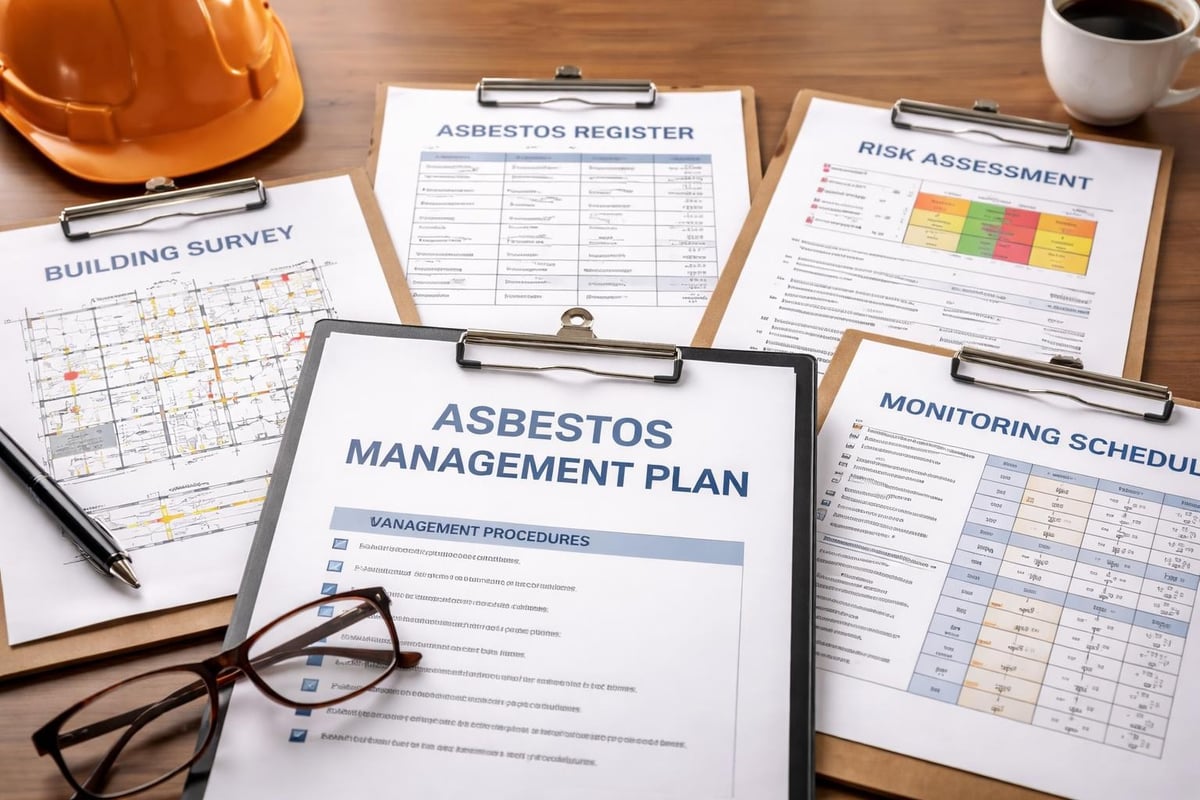
The foundation of any asbestos plan rests upon accurate survey data. Management surveys identify the location, type, and condition of ACMs throughout the premises. This information populates the asbestos register, which functions as a quick-reference tool for daily operations.
| Register Element | Purpose | Update Frequency |
|---|---|---|
| Location details | Precise identification of ACM locations | After any survey or removal |
| Material type | Identifies specific asbestos variety | Initial survey only |
| Condition assessment | Tracks material deterioration | Annual minimum |
| Risk rating | Prioritises management actions | Following condition changes |
| Photographic evidence | Visual reference for identification | Initial survey and major changes |
Each entry within the register should contain sufficient detail to enable someone unfamiliar with the building to locate and identify the material. Grid references, floor plans with marked locations, and detailed descriptions all contribute to register effectiveness.
Risk Assessment Methodology
Risk assessments form the analytical core of the asbestos plan, determining which materials require immediate action and which can be safely managed in situ. The assessment considers material type, condition, surface treatment, accessibility, and extent of presence. For educational facilities, specific guidance for schools provides additional considerations regarding occupant vulnerability.
Materials receiving high-risk scores demand urgent attention, potentially requiring removal or encapsulation. Low-risk materials may simply need regular monitoring and clear labelling. The EPA's guidance on operations and maintenance programmes offers valuable insights into systematic risk management approaches.
Developing Management Procedures
Management procedures translate risk assessments into practical actions, creating clear protocols for various scenarios. These procedures must address routine maintenance, emergency situations, contractor management, and material deterioration.
Routine Monitoring and Inspection
Regular inspections ensure that material conditions haven't deteriorated since the last assessment. The asbestos plan should specify:
- Inspection frequency based on risk ratings
- Competent persons authorised to conduct inspections
- Documentation requirements for inspection findings
- Triggers for accelerated re-inspection
- Escalation procedures when condition changes occur
High-risk materials typically require inspection every six months, whilst low-risk materials may only need annual review. Re-inspection surveys conducted by specialists provide independent verification of internal monitoring programmes.
Contractor Management Protocols
One of the most critical functions of an asbestos plan involves managing third-party contractors who might disturb building fabric. Before any invasive work commences, contractors must receive comprehensive information about ACM locations relevant to their activities.
The plan should mandate:
- Pre-work asbestos briefings for all contractors
- Permit-to-work systems for high-risk areas
- Restricted access to areas containing friable asbestos
- Immediate stop-work protocols if unexpected materials are discovered
- Requirements for specialist asbestos contractors when removal becomes necessary
For landlords managing multiple properties, understanding the duty to manage obligations ensures consistent contractor management across the portfolio.

Implementation Strategies
Creating an asbestos plan represents only the first step; successful implementation requires organisational commitment, resource allocation, and cultural integration. The plan must transition from a compliance document to an operational tool embedded within daily management practices.
Appointing Competent Persons
Every asbestos plan requires identified individuals with appropriate competence to oversee its implementation. The asbestos programme manager coordinates all activities, ensures compliance, and maintains documentation. Additional roles might include floor wardens, inspection coordinators, and emergency response leads.
Competence doesn't necessarily require formal qualifications for all roles, but individuals must possess sufficient training, knowledge, and experience appropriate to their responsibilities. Professional training and awareness programmes ensure that appointed persons understand both their specific duties and the broader regulatory context.
Integration with Existing Systems
The asbestos plan shouldn't exist in isolation but should integrate seamlessly with existing health and safety management systems, building maintenance schedules, and contractor management procedures. This integration prevents duplication whilst ensuring asbestos considerations feature in all relevant decision-making processes.
Modern digital compliance solutions enable real-time access to asbestos information, automated inspection reminders, and centralised documentation management. These systems particularly benefit organisations managing multiple sites or complex estates.
Record Keeping and Documentation
Comprehensive record keeping forms an essential element of any asbestos plan, providing evidence of compliance and enabling informed decision-making. The EPA's guidance on recordkeeping for asbestos operations emphasises the importance of systematic documentation practices.
Essential Records to Maintain
Documentation requirements extend beyond the asbestos register itself. A complete record system should include:
- Original survey reports and all subsequent updates
- Risk assessment calculations and rationale
- Inspection records with dated photographic evidence
- Training certificates for all relevant personnel
- Contractor asbestos briefing sign-off sheets
- Incident reports involving ACM disturbance
- Remediation work completion certificates
- Air monitoring results following interventions
These records serve multiple purposes: demonstrating regulatory compliance during inspections, supporting insurance claims, informing future building works, and providing historical context for management decisions. Professional asbestos registers typically incorporate robust record management systems meeting these requirements.
| Record Type | Retention Period | Storage Location | Access Level |
|---|---|---|---|
| Survey reports | Building lifetime + 3 years | Secure digital and physical | Authorised personnel only |
| Inspection logs | 5 years minimum | Digital management system | Site managers and duty holders |
| Training records | Employee tenure + 5 years | HR and safety files | Managers and regulators |
| Removal certificates | Building lifetime + 40 years | Permanent archive | Property records |
Audit and Review Cycles
The asbestos plan itself requires regular review to maintain relevance and effectiveness. Annual reviews represent best practice, with additional reviews triggered by significant building alterations, changes in use, or material condition deterioration. For organisations seeking external verification, compliance audits provide independent assessment of plan adequacy and implementation effectiveness.
Special Considerations for Different Sectors
Whilst the fundamental principles of asbestos management remain consistent across sectors, different building types and occupancies present unique challenges requiring tailored approaches within the asbestos plan.
Educational Facilities
Schools face particular challenges due to vulnerable occupants, diverse building ages, and complex usage patterns. Educational asbestos plans must address frequent room changes, after-hours lettings, and the involvement of external organisations using facilities. Parents and governors also require appropriate information whilst avoiding unnecessary alarm.
The specific considerations for schools include heightened inspection frequencies, restricted access to certain areas, and enhanced communication protocols. Many educational authorities maintain overarching frameworks with individual site plans for each building.
Commercial and Industrial Settings
Commercial properties often involve tenant management, requiring clear delineation of responsibilities between landlords and occupiers. The asbestos plan must specify who manages common areas, tenant-specific spaces, and interface zones. Understanding regulatory compliance requirements helps establish these boundaries clearly.
Industrial facilities may contain asbestos in process equipment, insulation systems, and structural elements. These environments require particularly robust permit-to-work systems given the higher likelihood of material disturbance during maintenance activities.

Healthcare and Residential Care
Healthcare facilities present dual challenges of vulnerable occupants and 24-hour operations with limited opportunities for disruptive interventions. Asbestos plans for hospitals and care homes must balance comprehensive management with operational continuity, often necessitating phased approaches to high-risk material removal.
Refurbishment and Demolition Considerations
Whilst standard asbestos plans focus on managing materials in normal occupancy, any refurbishment or demolition activities require enhanced planning through pre-refurbishment checklists and specialist surveys. Refurbishment and demolition surveys provide the intrusive investigation necessary before destructive works commence.
The asbestos plan should outline procedures for transitioning from normal management to project-specific controls. This includes suspending normal access, appointing specialist contractors, implementing air monitoring and clearance testing, and updating documentation following completed works.
Project Management Integration
Major building projects require dedicated asbestos coordination integrated within overall project management structures. Specialist project management services ensure asbestos considerations feature appropriately throughout planning, procurement, execution, and handover phases.
The project-specific asbestos plan should reference but remain distinct from the building's operational asbestos plan, with clear handover protocols ensuring that documentation updates following project completion.
Communicating the Plan
Even the most comprehensive asbestos plan fails if stakeholders remain unaware of its contents or cannot access relevant information when needed. Communication strategies must address diverse audiences with varying information needs.
Building occupants require awareness of asbestos presence without unnecessary alarm. Simple communications explaining that identified materials are safely managed and that appropriate controls exist typically suffice. Detailed technical information should remain available for those requesting it whilst avoiding overwhelming general occupants.
Maintenance teams and contractors need working knowledge of register contents, access protocols, and emergency procedures. Regular refresher briefings, prominently displayed warning notices, and readily accessible documentation all contribute to effective communication. For organisations operating across multiple regions, understanding location-specific considerations helps tailor communications appropriately.
Emerging Technologies and Future Developments
The asbestos management landscape continues evolving with technological advances offering enhanced safety and efficiency. Digital registers accessed via mobile devices enable on-site consultation during maintenance activities, reducing reliance on paper-based systems. Building Information Modelling (BIM) integration allows three-dimensional visualisation of ACM locations, improving spatial understanding for complex buildings.
Remote monitoring technologies may eventually enable real-time condition assessment for certain high-risk materials, triggering automatic alerts when deterioration occurs. However, these innovations complement rather than replace fundamental management principles outlined in robust asbestos plans.
The regulatory environment also continues developing, with periodic updates to guidance and increasing enforcement activity. Maintaining awareness of current regulatory requirements ensures that asbestos plans remain compliant as standards evolve.
Cost-Benefit Analysis
Organisations sometimes view asbestos management as purely a compliance cost rather than a value-adding investment. However, effective asbestos plans deliver tangible benefits beyond regulatory adherence:
- Reduced liability through demonstrated due diligence
- Lower insurance premiums when comprehensive management evidenced
- Avoided project delays from unexpected asbestos discoveries
- Enhanced property values with clear asbestos documentation
- Reduced emergency response costs through preventative management
- Improved staff confidence from transparent hazard communication
The costs of developing and maintaining an asbestos plan pale compared to the potential consequences of unmanaged asbestos exposure, regulatory enforcement action, or project disruption from unexpected discoveries.
Quality Assurance and Continuous Improvement
Treating the asbestos plan as a dynamic document subject to continuous improvement rather than a static compliance requirement enhances both safety and efficiency. Regular reviews should identify opportunities for simplification, clarification, and enhancement based on operational experience.
Incident investigations, near-miss analyses, and feedback from building users all provide valuable insights for plan refinement. Quality management systems ensure that these improvements are systematically captured and implemented.
Benchmarking against industry best practice and peer organisations identifies potential gaps or opportunities. Professional bodies, trade associations, and specialist consultants offer valuable perspectives on emerging practices and innovative approaches to asbestos management challenges.
Developing and implementing an effective asbestos plan requires careful attention to regulatory requirements, practical management considerations, and organisational context. The investment in comprehensive planning, competent personnel, and robust systems delivers both legal compliance and genuine safety improvements for building occupants. Asbestosurv Ltd provides expert support throughout the asbestos management lifecycle, from initial surveys through plan development, implementation support, and ongoing monitoring, ensuring your organisation meets its duty to manage asbestos effectively whilst protecting occupants and maintaining operational efficiency.
Need Professional Asbestos Advice?
Contact our expert team for guidance on your specific requirements
Contact Us