
Asbestos Survey London: Essential Guide for 2026
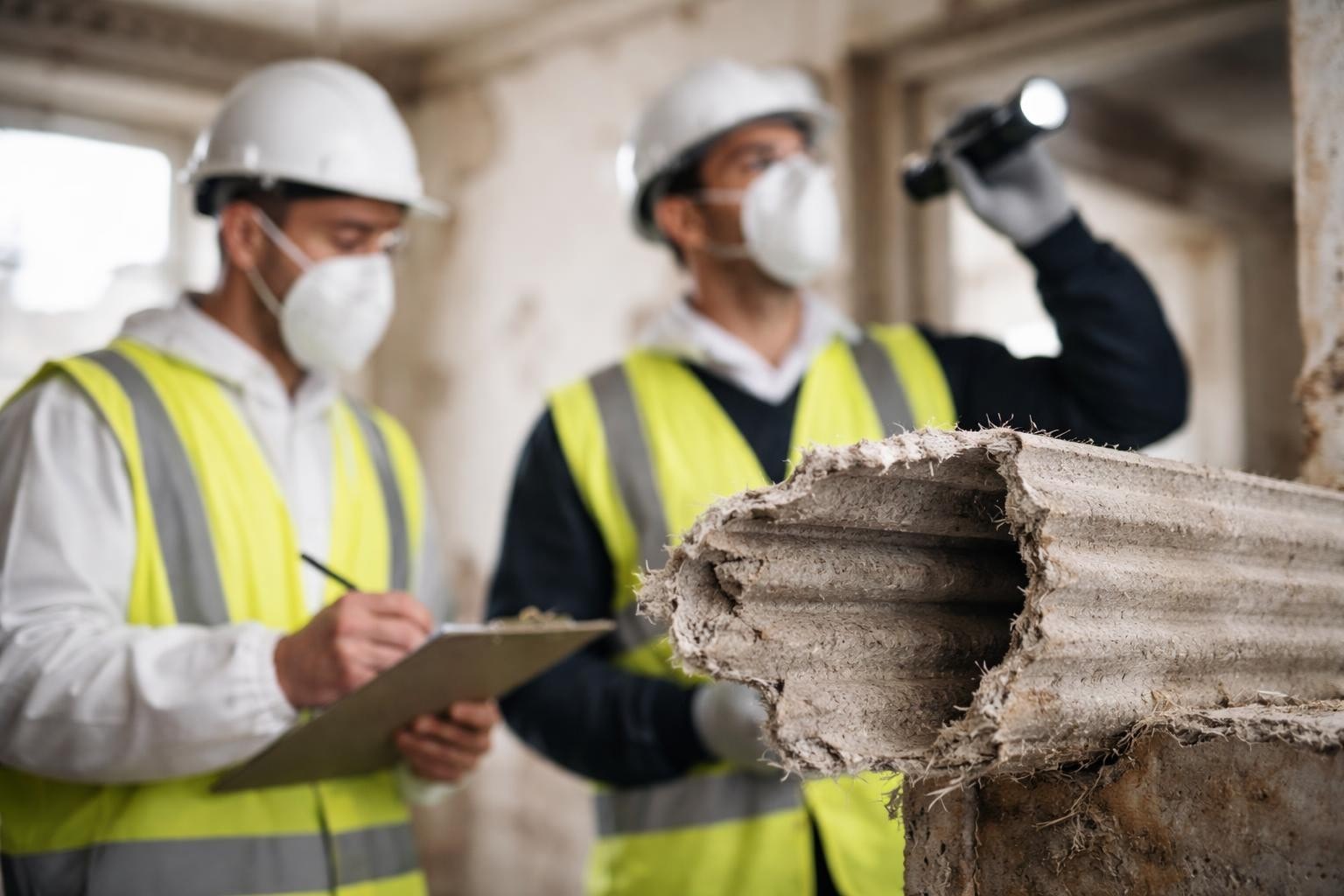
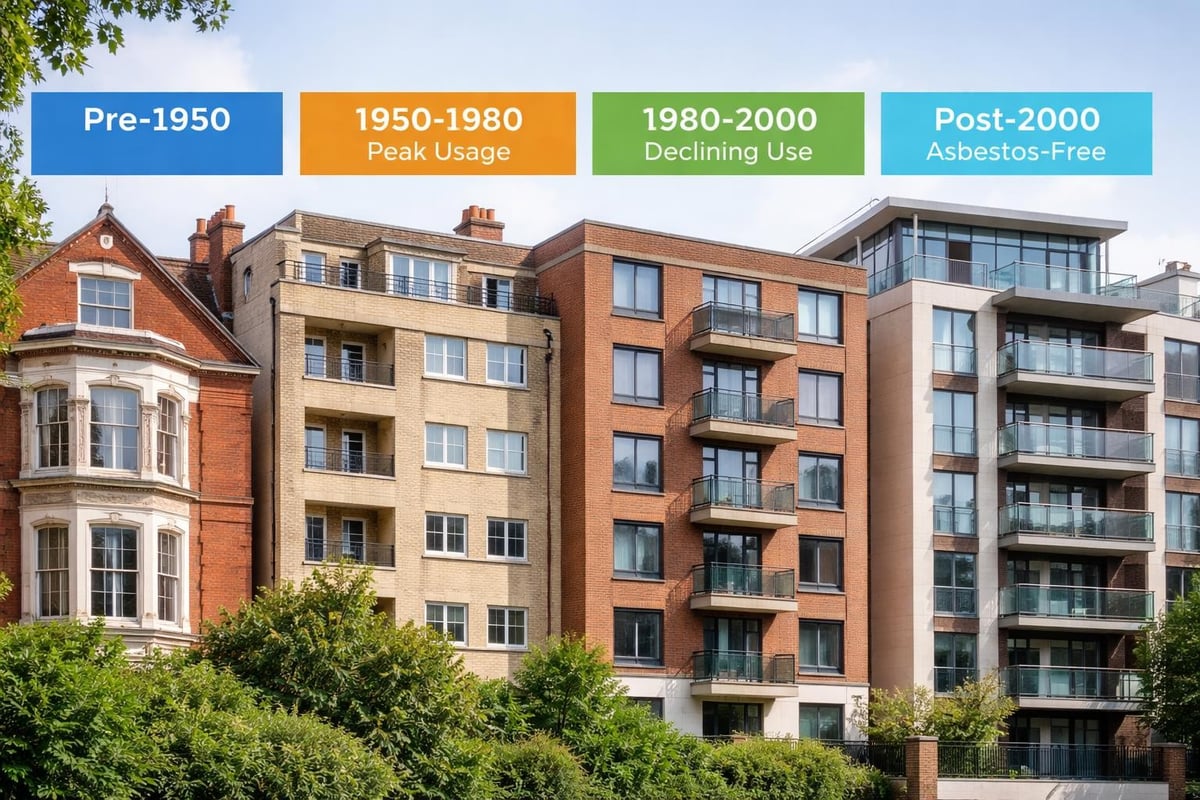
London's architectural landscape presents unique challenges when it comes to asbestos management. Buildings constructed between the 1950s and 2000 commonly contain asbestos materials, making professional surveys essential for property owners, landlords, and businesses across the capital. Understanding when you need an asbestos survey London and what the process involves can protect both health and compliance whilst avoiding costly penalties.
Understanding Asbestos Survey Requirements in London
Property owners across London carry significant legal responsibilities under The Control of Asbestos Regulations 2012. These regulations establish a duty to manage asbestos in non-domestic premises, requiring dutyholder identification and assessment of asbestos-containing materials (ACMs).
The requirement for an asbestos survey London extends beyond commercial properties. Landlords of residential buildings with communal areas must comply with asbestos regulations in shared spaces such as stairwells, lift shafts, and boiler rooms. This duty encompasses buildings constructed or refurbished before the year 2000, when asbestos use was finally prohibited in the UK.
Legal Framework and Compliance
Understanding UK asbestos regulations requires familiarity with several key legal instruments. The Health and Safety Executive (HSE) enforces strict compliance measures, with penalties for non-compliance ranging from substantial fines to imprisonment in serious cases.
Key regulatory requirements include:
- Maintaining an up-to-date asbestos register
- Implementing an effective asbestos management plan
- Conducting regular re-inspection surveys
- Ensuring safe working practices during refurbishment or demolition
- Providing adequate information to contractors and building occupants
London property owners must demonstrate proactive asbestos management. The duty to manage responsibilities encompass identifying asbestos presence, assessing its condition, and establishing protocols for monitoring and maintenance.
Types of Asbestos Surveys Available in London
Different property scenarios demand specific survey approaches. Understanding which survey type meets your requirements ensures appropriate risk assessment and regulatory compliance.
Management Surveys
Management surveys represent the standard survey type for occupied buildings. These surveys locate and assess asbestos materials that could be damaged or disturbed during normal occupancy, maintenance activities, or installation work.
Surveyors conduct visual inspections and collect samples from suspected ACMs for laboratory analysis. The resulting asbestos register documents material locations, types, and condition assessments, forming the foundation of your asbestos management plan.
Management survey characteristics:
- Non-intrusive inspection techniques
- Sampling of accessible suspected materials
- Presumed identification where sampling proves impractical
- Risk assessment based on material condition and location
- Recommendations for management or remedial action
Refurbishment and Demolition Surveys
Planning building alterations or demolition requires a more comprehensive approach. Refurbishment and demolition surveys involve fully intrusive inspections, accessing areas typically concealed during normal occupation.
These surveys identify all asbestos materials within the work area, ensuring contractors can operate safely without unexpected asbestos encounters. Buildings must be unoccupied during survey work, allowing surveyors to lift floor coverings, access ceiling voids, and inspect service ducts thoroughly.
| Survey Type | Purpose | Intrusiveness | Building Status |
|---|---|---|---|
| Management | Ongoing occupation | Non-intrusive | Occupied |
| Refurbishment | Pre-work planning | Fully intrusive | Area unoccupied |
| Demolition | Complete clearance | Fully intrusive | Fully unoccupied |
| Re-inspection | Monitoring changes | Visual assessment | Occupied |
The Asbestos Survey Process in London
Professional asbestos survey London services follow systematic methodologies ensuring comprehensive assessment and accurate reporting.
Initial Consultation and Planning
Survey planning begins with understanding your property's history, construction period, and intended use. Surveyors review available building plans, previous asbestos records, and maintenance histories. This information guides survey scope determination and identifies areas requiring particular attention.
London's diverse building stock presents varied challenges. Victorian conversions, post-war developments, and modern commercial complexes each contain different asbestos applications, demanding surveyor expertise in recognising era-specific ACM uses.
Site Inspection and Sampling
Qualified surveyors systematically inspect all accessible areas, documenting suspected ACMs photographically and recording precise locations. Representative samples undergo collection using strict safety protocols, minimising fibre release and protecting building occupants.
Sampling and laboratory analysis employs polarised light microscopy (PLM) or transmission electron microscopy (TEM) for definitive material identification. UKAS-accredited laboratories provide reliable results, essential for informed decision-making.

Reporting and Documentation
Comprehensive survey reports detail all findings, including:
- Material locations with photographic evidence and floor plans
- Asbestos types identified through laboratory analysis
- Condition assessments rating material integrity and damage potential
- Risk evaluations considering exposure likelihood and material friability
- Management recommendations specifying monitoring, encapsulation, or removal priorities
Reports feed directly into asbestos registers and management plans, creating accessible documentation for dutyholders, facilities managers, and contractors.
Asbestos Survey Costs and Timing in London
Investment in professional asbestos surveys protects against far greater costs associated with uncontrolled asbestos exposure, regulatory penalties, or project delays.
Pricing Factors
Asbestos survey London costs vary considerably based on several variables:
- Property size measured in square metres
- Building complexity including number of floors and room divisions
- Survey type with refurbishment surveys typically exceeding management survey costs
- Sample quantity required for material identification
- Access challenges in occupied or restricted buildings
- Urgency with expedited reporting commanding premium rates
Typical management surveys for small commercial premises range from £300 to £600, whilst comprehensive surveys for larger London office buildings may exceed £2,000. Residential flat surveys generally cost £200 to £400, though communal area surveys increase investment requirements.
Survey Duration
Standard survey timeframes:
| Property Type | Management Survey | Refurbishment Survey | Report Delivery |
|---|---|---|---|
| 1-bed flat | 1-2 hours | 2-3 hours | 5-7 working days |
| Small office | 2-4 hours | 4-6 hours | 5-7 working days |
| Large commercial | 1-2 days | 2-3 days | 7-10 working days |
| Industrial unit | 1-2 days | 3-5 days | 7-14 working days |
Laboratory analysis typically requires three to five working days, though expedited services reduce turnaround times when project schedules demand rapid results.
Common Asbestos Materials in London Buildings
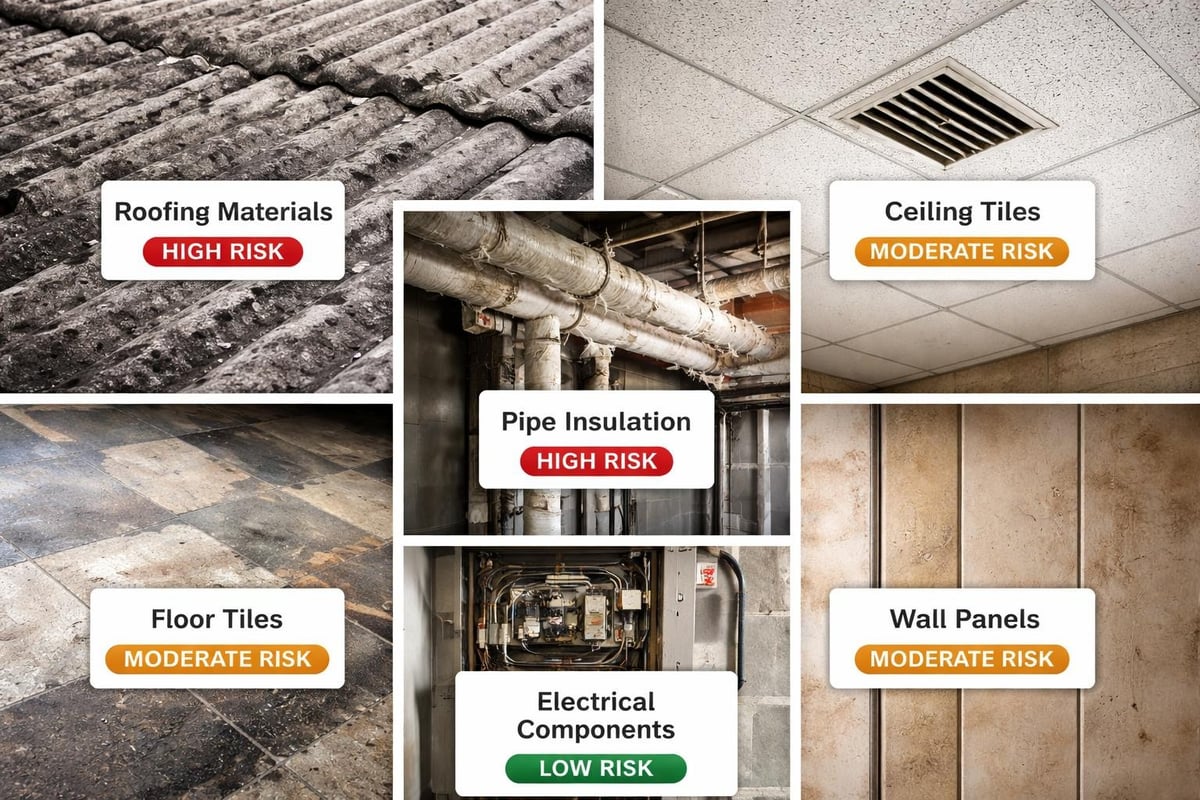
London's construction history means numerous building materials potentially contain asbestos fibres. Recognition of high-risk materials helps property managers prioritise survey areas and understand potential exposure scenarios.
Frequently Encountered ACMs
Asbestos cement products appear extensively in buildings constructed between 1950 and 1980. Roof sheets, rainwater goods, and wall cladding commonly incorporated chrysotile asbestos, providing weather resistance and fire protection.
Asbestos insulating board (AIB) featured prominently in fire protection applications. Ceiling tiles, partition walls, lift shaft linings, and fire door cores frequently contained amosite asbestos, presenting higher risk due to material friability.
Textured decorative coatings, particularly Artex-type finishes applied before the mid-1980s, often incorporated chrysotile fibres. These materials remain widespread in London residential properties, requiring careful assessment before removal or disturbance.
High-Risk Locations
Certain building areas warrant particular attention during surveys:
- Plant rooms containing pipe insulation and boiler lagging
- Ceiling voids housing sprayed asbestos coatings on structural steelwork
- Service risers with asbestos cement panels and pipe insulation
- Electrical installations including asbestos insulating board behind consumer units
- Exterior features such as soffits, fascias, and garage roofs
Understanding these applications enables effective compliance improvement strategies, targeting resources toward areas presenting greatest risk.
Selecting an Asbestos Survey Provider in London
Professional competence determines survey quality and subsequent management plan effectiveness. Selecting appropriately qualified surveyors ensures reliable results and regulatory compliance.
Essential Qualifications and Accreditations
Reputable asbestos surveyors hold UKAS accreditation demonstrating competence against ISO/IEC 17020 standards. This independent verification confirms technical capability, impartiality, and consistent quality management.
Surveyor qualifications should include:
- BOHS P402 (Building Surveying and Sampling Strategies)
- BOHS P403 (Air Monitoring and Clearance Testing)
- BOHS P404 (Management of Asbestos in Buildings)
- Relevant degree qualifications in surveying, construction, or environmental health
- Continued professional development maintaining current knowledge
Industry membership organisations such as RICS, ATICS, or IATP provide additional professional standards frameworks, supporting ethical practice and technical excellence.
Questions for Prospective Surveyors
Thorough vetting ensures selection of capable professionals:
- What insurance coverage do you maintain? Professional indemnity and public liability insurance protect against survey errors or accidental damage.
- Which laboratories analyse your samples? UKAS-accredited facilities ensure reliable material identification.
- What experience do you have with similar properties? Relevant sector knowledge improves survey comprehensiveness.
- How do you manage quality assurance? Systematic quality procedures maintain consistent standards.
- What post-survey support do you provide? Ongoing consultancy assists with management plan implementation.
London's competitive market offers numerous providers, making careful selection essential for optimal outcomes. Contact professional surveyors to discuss specific requirements and obtain detailed quotations.
Post-Survey Responsibilities and Ongoing Management
Survey completion marks the beginning rather than end of asbestos management obligations. Effective ongoing management protects building occupants whilst maintaining regulatory compliance.
Implementing Management Plans
Survey findings inform comprehensive management strategies addressing identified ACMs. Management plans document:
- Risk assessments for each asbestos location
- Control measures preventing material damage or disturbance
- Monitoring schedules for regular condition reassessment
- Emergency procedures for unexpected asbestos disturbance
- Information provision to contractors and maintenance staff
Regular updates ensure management plans remain current as building use evolves or refurbishment work occurs.
Re-inspection Requirements
Re-inspection surveys monitor ACM condition changes over time. Regulations don't specify fixed re-inspection intervals, requiring dutyholders to establish appropriate frequencies based on material condition and building use.
Typical re-inspection schedules:
- Good condition materials: 12-24 months
- Fair condition materials: 6-12 months
- Poor condition materials: 3-6 months or immediate remedial action
- High-traffic areas: More frequent monitoring regardless of initial condition
Documentation of re-inspection findings demonstrates ongoing duty compliance and identifies deteriorating materials requiring intervention.
Training and Awareness
Building occupants and maintenance staff require appropriate asbestos awareness. Training programmes ensure personnel recognise potential ACMs, understand safe working practices, and know emergency response procedures.
Different roles demand varying training depths. Facilities managers benefit from comprehensive asbestos management training, whilst maintenance contractors require task-specific instruction relevant to their work activities.
Health Implications and Risk Management
Understanding asbestos health risks contextualises the importance of professional survey work and diligent ongoing management.
Asbestos-Related Diseases
Asbestos fibre inhalation causes serious respiratory conditions developing over extended latency periods. Asbestos-related diseases include:
- Asbestosis: Progressive lung scarring causing breathlessness and reduced lung function
- Mesothelioma: Aggressive cancer affecting lung or abdomen linings with poor prognosis
- Lung cancer: Increased risk particularly among smokers exposed to asbestos
- Pleural plaques: Benign scarring indicating asbestos exposure
The NHS provides comprehensive information on asbestosis symptoms and treatment options, though no cure exists for established asbestos diseases. This irreversible health impact underscores prevention importance through effective management.
Minimising Exposure Risk
Undisturbed asbestos generally presents minimal risk. Fibres become hazardous when materials suffer damage, deterioration, or disturbance releasing airborne particles. Effective asbestos survey London programmes identify materials before accidental disturbance occurs.
Risk reduction strategies include:
- Maintaining ACMs in good condition through careful monitoring
- Preventing accidental damage through clear material identification
- Implementing safe systems of work for necessary material disturbance
- Providing adequate information enabling informed decision-making
- Engaging licensed contractors for high-risk removal work
Proactive management protects building occupants, contractors, and the wider community from preventable asbestos exposure.
Special Considerations for London Property Types
London's diverse property portfolio presents unique asbestos management challenges requiring tailored survey approaches.
Period Properties and Conversions
Victorian and Edwardian buildings typically contain limited asbestos due to construction predating widespread asbestos use. However, subsequent modernisation works frequently introduced ACMs through heating system upgrades, electrical installations, and fire protection measures.
Converted properties demand particular attention where original features meet modern modifications. Flat conversions in period buildings may conceal asbestos materials behind partition walls or suspended ceilings, requiring careful survey work to locate all ACMs.
Educational Establishments
Schools require specific asbestos management approaches reflecting their public building status and vulnerable occupant demographics. London's educational establishments face additional complexity from diverse building stock spanning Victorian elementary schools to modern academy buildings.
School surveys must account for children's natural curiosity and maintenance work occurring during occupied periods. Comprehensive registers enable safe facilities management whilst protecting pupils and staff from inadvertent exposure.
Commercial and Industrial Properties
Office buildings, warehouses, and industrial units commonly contain extensive asbestos applications. Sprayed asbestos coatings on structural steelwork, asbestos insulating board in service areas, and cement products in roofing and cladding feature regularly in commercial property surveys.
Occupied commercial premises require minimal disruption during survey work. Experienced surveyors coordinate access arrangements ensuring business continuity whilst conducting thorough assessments. Digital compliance solutions facilitate efficient information sharing with multiple stakeholders across large commercial portfolios.
Integration with Refurbishment and Demolition Projects
Construction work planning requires comprehensive asbestos information preventing dangerous material encounters and costly project delays.
Pre-Refurbishment Planning
Refurbishment project checklists prioritise asbestos survey completion before design finalisation or contractor procurement. Early identification enables:
- Accurate cost estimation incorporating asbestos removal requirements
- Programme development accounting for licensed removal timescales
- Design modifications avoiding unnecessary ACM disturbance
- Tender documentation specifying asbestos locations and removal specifications
- Contractor briefings ensuring safe method statements and appropriate licensing
London's competitive construction market demands rigorous project planning. Unexpected asbestos discoveries cause significant delays and cost overruns, making upfront survey investment essential for successful project delivery.
Demolition Requirements
Total building demolition requires identifying all asbestos materials regardless of location or accessibility. Survey work precedes demolition by sufficient time for complete asbestos removal, with air monitoring and clearance testing confirming safe removal completion.
The demolition sequence often depends upon asbestos removal logistics. Licensed contractors remove high-risk materials before non-licensed removal of asbestos cement products, with careful coordination preventing cross-contamination or accidental disturbance.
Regional Variations Within Greater London
London's geographical extent means different boroughs present varying property profiles and regulatory enforcement approaches.
Central London Challenges
Historic central London buildings demand specialist survey expertise. Listed building status may restrict intrusive survey techniques, requiring surveyor ingenuity balancing conservation requirements with asbestos identification needs.
High property values and occupation densities increase the financial and health consequences of inadequate asbestos management. Commercial landlords face particular scrutiny from health and safety inspectors, making comprehensive survey programmes and robust management plans essential.
Suburban and Outer London Considerations
Suburban residential areas contain numerous properties constructed during peak asbestos usage periods. Semi-detached houses and terraced properties built between 1950 and 1980 commonly feature asbestos cement roofing, garage panels, and internal insulating board applications.
Government guidance on asbestos in homes assists homeowners understanding residential property risks. Whilst regulations don't mandate residential asbestos surveys, responsible property management and sale preparations benefit from professional assessment, particularly for properties constructed before 2000.
Industrial Areas
London's industrial zones, particularly in eastern boroughs, contain numerous warehouse and factory buildings with extensive asbestos applications. These properties often feature sprayed asbestos insulation, asbestos cement cladding, and industrial pipe insulation requiring careful management.
Regeneration programmes transforming former industrial sites into residential or mixed-use developments demand comprehensive asbestos surveys before conversion work commences. Historic industrial use increases the likelihood of encountering unexpected asbestos materials, requiring detailed investigation and systematic removal.
Professional asbestos survey London services provide the foundation for effective asbestos management, protecting health whilst ensuring regulatory compliance across the capital's diverse building stock. Whether you manage commercial property portfolios, oversee educational establishments, or own residential buildings, understanding survey requirements and implementing robust management plans safeguards occupants and demonstrates responsible stewardship. Asbestosurv Ltd delivers comprehensive asbestos surveys and management consultancy throughout London, combining technical expertise with practical support for meeting your regulatory obligations and protecting building users from asbestos-related risks.
Need Professional Asbestos Advice?
Contact our expert team for guidance on your specific requirements
Contact Us