
Asbestos Types: A Complete Guide for Property Owners
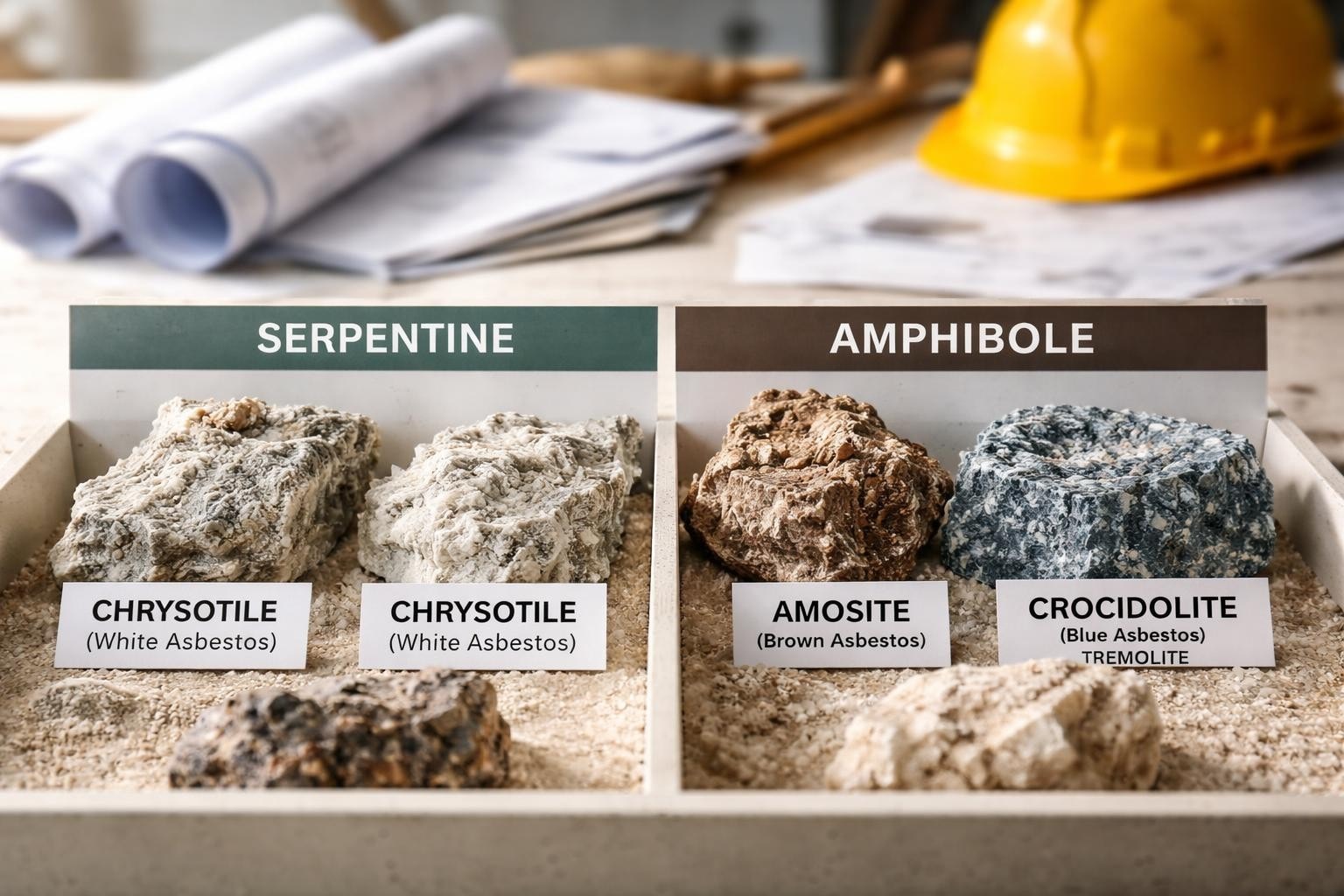
Understanding the different asbestos types is fundamental for anyone responsible for property management, refurbishment, or maintenance in the UK. Whilst asbestos was banned in 1999, millions of buildings still contain this hazardous material in various forms. Each type presents unique characteristics, risks, and identification challenges that require professional expertise to manage safely. This comprehensive guide explores the six recognised asbestos types, their properties, and the critical information property owners need to ensure compliance with current UK regulations.
The Two Main Categories of Asbestos Types
Asbestos minerals fall into two distinct geological groups: serpentine and amphibole. This classification system, recognised by health and safety organisations worldwide, helps professionals understand the fundamental differences in fibre structure and associated risks.
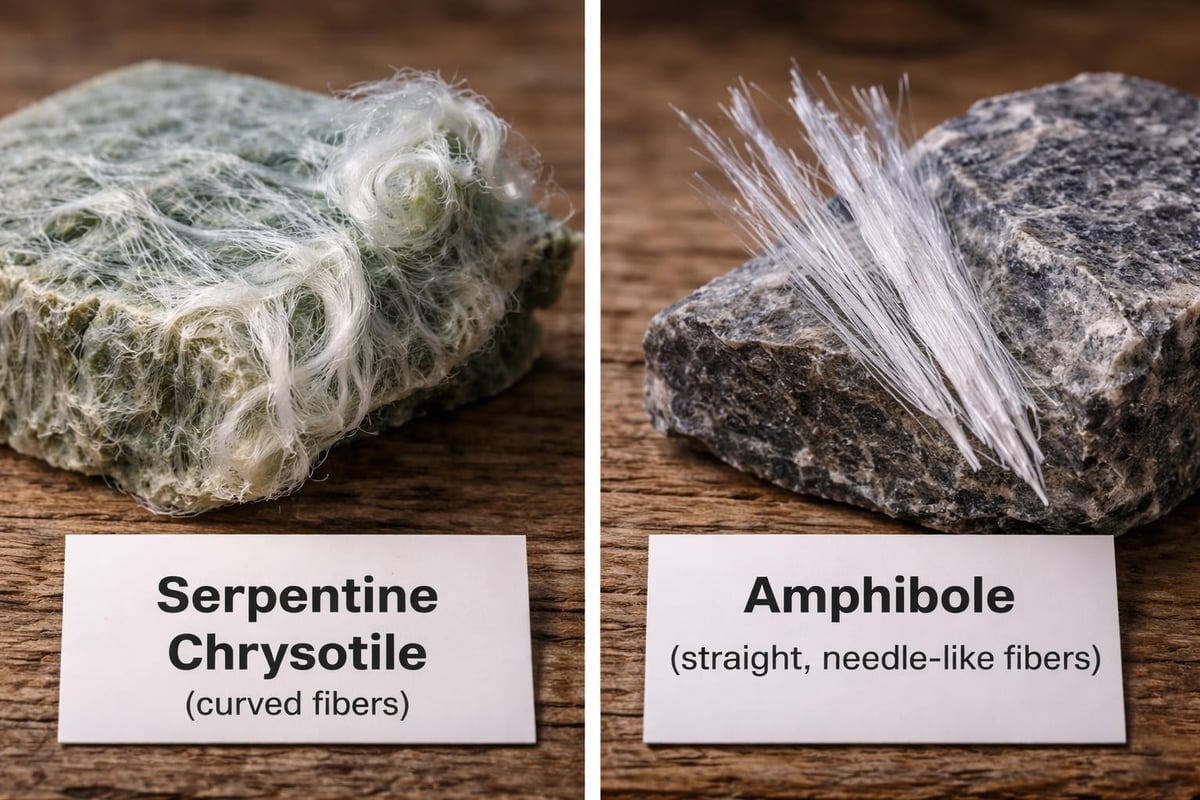
Serpentine asbestos features curved, flexible fibres that form layered sheet-like structures. This category contains only one type: chrysotile, commonly known as white asbestos. The fibres in serpentine asbestos tend to be longer and more pliable than their amphibole counterparts.
Amphibole asbestos types possess straight, needle-like fibres with a crystalline structure. This group includes five distinct types: amosite, crocidolite, anthophyllite, tremolite, and actinolite. These fibres are typically more rigid and brittle, which affects how they break down and become airborne when disturbed.
Why Mineral Classification Matters
The structural differences between serpentine and amphibole asbestos types directly influence their behaviour in building materials and the human body. Amphibole fibres, being straighter and more durable, tend to persist longer in lung tissue once inhaled. This characteristic contributes to their heightened health risks compared to serpentine varieties.
Professional surveyors at Asbestosurv Ltd use this classification knowledge during management surveys to assess potential risks accurately. Understanding which category a material falls into helps determine appropriate management strategies and prioritisation of remedial action.
Chrysotile: The Most Common Type
Chrysotile, or white asbestos, accounts for approximately 95% of all asbestos used commercially worldwide. Its widespread application stemmed from excellent heat resistance, tensile strength, and relative affordability during the twentieth century.
This serpentine asbestos type appeared in numerous building materials across UK properties. Common applications included:
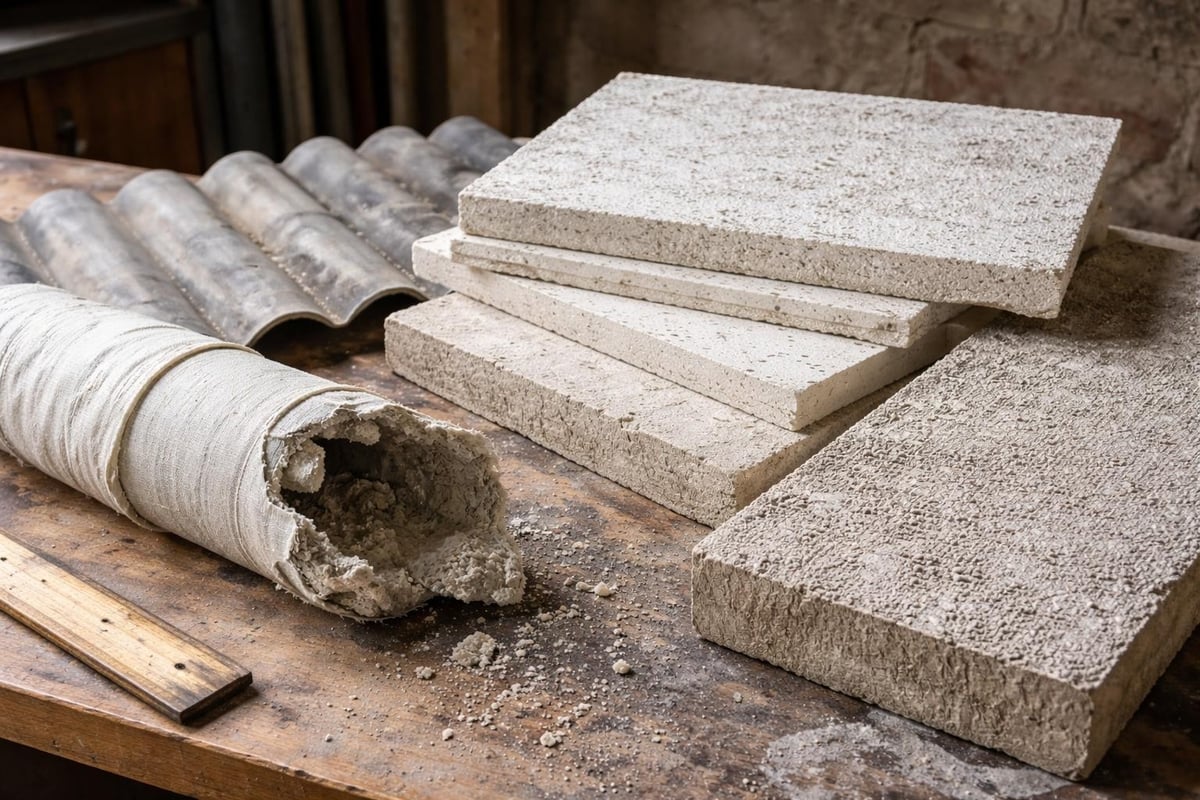
- Asbestos cement sheets and pipes
- Roof tiles and corrugated roofing
- Thermal insulation around boilers and pipes
- Textured decorative coatings (Artex)
- Gaskets and friction materials
- Floor tiles and vinyl flooring
Chrysotile fibres measure between 10 to 50 nanometres in diameter, making them invisible to the naked eye. When materials containing this asbestos type deteriorate or suffer damage, these microscopic fibres can become airborne and pose serious inhalation risks.
Health Implications of Chrysotile Exposure
Despite being considered the "least dangerous" asbestos type, chrysotile still causes severe health conditions. The Environmental Protection Agency confirms that all asbestos types can cause asbestosis, lung cancer, and mesothelioma when fibres are inhaled.
Property managers must never assume chrysotile presents minimal risk. Professional sampling and laboratory analysis remains essential for proper identification and risk assessment of suspected materials.
Amosite: Brown Asbestos
Amosite, known as brown asbestos, represents the second most commonly used commercial asbestos type in the UK. This amphibole variety was particularly popular in construction and insulation applications between the 1950s and 1980s.
The fibres of amosite asbestos appear grey-brown to dark brown in colour. They exhibit exceptional heat resistance and durability, which made this material highly desirable for industrial applications. Primary uses included:
- Thermal insulation for pipes and boilers
- Insulating boards (AIB)
- Ceiling tiles
- Chemical insulation products
- Gaskets in high-temperature environments
| Property | Chrysotile | Amosite | Crocidolite |
|---|---|---|---|
| Common Name | White Asbestos | Brown Asbestos | Blue Asbestos |
| Mineral Group | Serpentine | Amphibole | Amphibole |
| Fibre Structure | Curved, Flexible | Straight, Brittle | Straight, Brittle |
| Commercial Usage | 95% | 4% | 1% |
| Heat Resistance | High | Very High | High |
Amosite poses significantly greater health risks than chrysotile due to its durable amphibole structure. Studies indicate that amosite fibres persist in lung tissue longer, increasing the likelihood of developing asbestos-related diseases.
Crocidolite: The Most Dangerous Type
Crocidolite, or blue asbestos, is widely recognised as the most hazardous of all asbestos types. This amphibole mineral features extremely fine, straight fibres that easily penetrate deep into lung tissue when inhaled.
The distinctive blue colour of crocidolite makes visual identification somewhat easier than other types, though microscopic analysis remains necessary for definitive confirmation. Refurbishment and demolition surveys frequently identify this material in older industrial buildings and commercial properties.
Common Applications of Crocidolite
Despite its recognised dangers, crocidolite appeared in various UK building applications:
- Spray coatings for fire protection
- Pipe insulation in industrial settings
- Cement products
- Acid storage containers
- Laboratory equipment
The UK banned crocidolite earlier than other asbestos types, with restrictions beginning in 1985. However, buildings constructed before this date may still contain this dangerous material. The National Cancer Institute notes that crocidolite exposure carries the highest risk for developing mesothelioma amongst all asbestos types.
Lesser-Known Asbestos Types
Three additional asbestos types exist, though they saw limited commercial application in the UK. Understanding these varieties remains important for comprehensive asbestos management, particularly in specialised industrial settings.
Anthophyllite Asbestos
Anthophyllite is an amphibole asbestos type that appears grey, dull green, or white. This variety rarely featured in commercial products but occasionally appeared as a contaminant in other minerals, particularly talc-based materials.
The fibres of anthophyllite are brittle and straight, similar to other amphibole varieties. Whilst commercial use was minimal, this asbestos type may be present in:
- Talc-containing products
- Certain insulation materials
- Composite flooring products
Tremolite Asbestos
Tremolite ranges in colour from white to dark green and typically occurred as a contaminant rather than an intentional additive. This amphibole variety sometimes contaminated chrysotile deposits, vermiculite ore, and talc products.
Notable tremolite contamination occurred in vermiculite insulation products, particularly those from the Libby, Montana mine which operated until 1990. UK properties with imported vermiculite insulation from this period may contain tremolite fibres.
Actinolite Asbestos
Actinolite, the final recognised asbestos type, appears dark green to black in colour. Like tremolite and anthophyllite, actinolite was not commonly used commercially but appeared as a contaminant in various mineral products.
This amphibole variety occasionally contaminated:
- Vermiculite insulation
- Talc products
- Certain metamorphic rocks used in construction
Identifying Different Asbestos Types
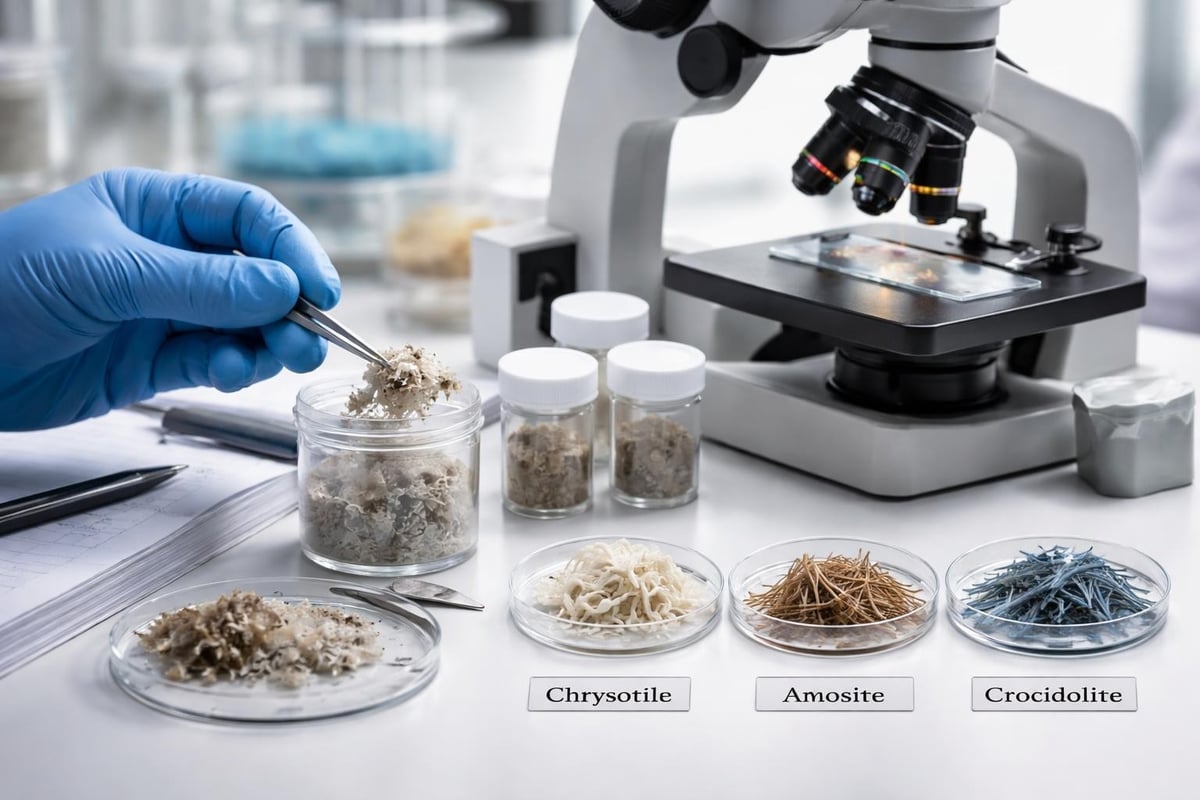
Visual identification alone cannot definitively determine asbestos types or even confirm asbestos presence. The fibrous nature and microscopic size of asbestos require sophisticated analytical techniques for accurate identification.
Professional identification methods include:
- Polarised Light Microscopy (PLM): Examines fibre structure, colour, and optical properties to identify asbestos types in bulk samples
- Transmission Electron Microscopy (TEM): Provides detailed analysis of fibre morphology and chemical composition
- Scanning Electron Microscopy (SEM): Offers high-resolution imaging for fibre identification
- X-ray Diffraction (XRD): Analyses crystalline structure to confirm mineral type
Professional laboratory analysis remains the only reliable method for confirming which asbestos types are present in building materials. Attempting DIY identification risks dangerous exposure and provides no legal certainty for compliance purposes.
When to Suspect Different Asbestos Types
Certain building materials and timeframes suggest specific asbestos types:
| Material Type | Likely Asbestos Type | Common Era |
|---|---|---|
| Insulating Boards | Amosite | 1950s-1980s |
| Sprayed Coatings | Crocidolite/Amosite | 1960s-1970s |
| Cement Products | Chrysotile | 1950s-1999 |
| Pipe Insulation | Amosite/Chrysotile | 1940s-1980s |
| Floor Tiles | Chrysotile | 1950s-1990s |
Understanding potential asbestos types helps property managers prioritise investigation areas, but assumptions must never replace proper testing and analysis. For more detailed guidance, consult the comprehensive knowledge hub which provides extensive resources on asbestos identification and management.
Health Risks Across Different Asbestos Types
All asbestos types pose serious health risks when fibres become airborne and are inhaled. The Agency for Toxic Substances and Disease Registry confirms that no safe exposure level exists for any asbestos variety.
Disease Development Timeline
Asbestos-related diseases typically develop decades after initial exposure. The latency period varies but commonly ranges from 15 to 50 years. This delayed onset makes historical exposure particularly concerning for property managers and maintenance workers.
Primary health conditions associated with asbestos exposure include:
- Asbestosis: Progressive lung scarring caused by accumulated fibres
- Lung Cancer: Malignant tumours in lung tissue, risk increases with smoking
- Mesothelioma: Aggressive cancer affecting the lining of lungs, abdomen, or heart
- Pleural Thickening: Scarring of the lung lining causing breathing difficulties
- Pleural Plaques: Calcified areas on the lung lining, indicating exposure
Comparative Risk Levels
Whilst all asbestos types are hazardous, amphibole varieties generally present greater risks due to their durable, needle-like structure. Crocidolite shows the strongest association with mesothelioma development, followed by amosite.
Chrysotile, despite its widespread use, demonstrates lower persistence in lung tissue. However, this characteristic does not make it safe. Property owners must treat all asbestos types with equal caution and implement appropriate control measures regardless of variety.
Regulatory Framework for Asbestos Types
UK legislation does not differentiate between asbestos types when establishing duty holder responsibilities. The Control of Asbestos Regulations 2012 applies equally to all varieties, requiring comprehensive management regardless of which type is present.
Property owners and managers must:
- Identify the location and condition of all asbestos-containing materials
- Assess the risk of fibre release
- Implement a management plan
- Provide information to anyone who might disturb asbestos
- Monitor material condition regularly
- Arrange safe removal when necessary
Compliance with UK regulations requires professional expertise to navigate successfully. The duty to manage applies to all non-domestic premises and common areas of domestic buildings.
Survey Requirements by Asbestos Type
Different asbestos types may require varying survey approaches based on their typical applications and associated risks. Management surveys focus on normal building occupation, whilst refurbishment and demolition surveys involve destructive inspection to locate all asbestos before major works.
High-risk asbestos types, particularly crocidolite and amosite in friable conditions, demand immediate attention and priority action. Air monitoring and clearance testing becomes essential when these materials require removal or encapsulation.
Managing Materials Containing Various Asbestos Types
Effective asbestos management depends on understanding which types are present, their condition, and likelihood of disturbance. A robust asbestos register documents all identified materials, including specific asbestos types where confirmed through analysis.
Risk Assessment Priorities
Material risk assessment considers multiple factors beyond asbestos type alone:
- Material Condition: Friable materials release fibres more readily than bonded products
- Surface Treatment: Sealed or painted surfaces reduce fibre release
- Accessibility: Easily accessible materials face higher disturbance risk
- Building Activity: Frequency and type of activity near asbestos materials
- Occupant Type: Vulnerable populations require additional protection
Priority scoring systems combine these factors to determine appropriate management actions. Whilst asbestos types influence risk, material condition and location often prove more significant for immediate decision-making.
Management Options
Three primary strategies exist for managing asbestos-containing materials:
Removal: Complete elimination of asbestos materials by licensed contractors provides permanent risk resolution. This option becomes mandatory before demolition and is often preferable before major refurbishment works.
Encapsulation: Sealing asbestos materials with specialised coatings prevents fibre release whilst leaving materials in place. This approach suits stable materials unlikely to suffer damage.
Enclosure: Constructing physical barriers around asbestos materials isolates them from building occupants. Boxing in asbestos insulation or installing false ceilings achieves effective enclosure.
The choice between management strategies depends on material type, condition, location, and planned building use. Professional consultation ensures appropriate selection based on comprehensive risk assessment.
Training and Awareness for Different Asbestos Types
Effective asbestos management requires appropriate training for anyone who might encounter these materials during their work. UK regulations mandate specific training levels based on work type and asbestos exposure risk.
Training Categories
Asbestos Awareness Training: Required for anyone whose work might expose them to asbestos. This training covers all asbestos types, their locations, and basic safety procedures.
Non-Licensed Work Training: Necessary for those undertaking minor asbestos work with non-licensed materials. Training includes recognition of different asbestos types and safe work methods.
Licensed Work Training: Mandatory for workers removing high-risk asbestos types, particularly crocidolite and amosite insulation. Comprehensive training addresses all asbestos types and specialist removal techniques.
Professional training and awareness programmes ensure teams understand the risks associated with different asbestos types and implement appropriate control measures consistently.
The Future of Asbestos Types in UK Buildings
Despite the 1999 ban on asbestos importation and use, these materials remain prevalent in UK buildings. Estimates suggest over 500,000 non-domestic buildings still contain asbestos in various forms.
The gradual removal of asbestos types from the building stock continues, driven by refurbishment, demolition, and proactive management decisions. However, complete elimination remains decades away, particularly for bonded chrysotile products in good condition.
Property managers must maintain vigilance regardless of building age. Materials containing different asbestos types may appear visually similar to modern alternatives, making professional surveys essential before any invasive work commences.
Emerging Considerations
Recent research continues to refine understanding of health risks associated with different asbestos types. Whilst the fundamental dangers are well-established, ongoing studies examine factors such as fibre length, exposure duration, and synergistic effects with other substances.
Modern analytical techniques enable increasingly precise identification of asbestos types in mixed materials and contaminated samples. This improved capability supports more targeted risk assessment and management strategies.
Understanding the six asbestos types and their unique characteristics is essential for effective property management and regulatory compliance in 2026. Whether dealing with widespread chrysotile in cement products or high-risk crocidolite in spray coatings, professional expertise ensures safe identification and appropriate management strategies. Asbestosurv Ltd provides comprehensive asbestos surveys, testing, and consultancy services throughout the UK, helping property owners navigate the complexities of asbestos management with confidence and full regulatory compliance.
Need Professional Asbestos Advice?
Contact our expert team for guidance on your specific requirements
Contact Us