
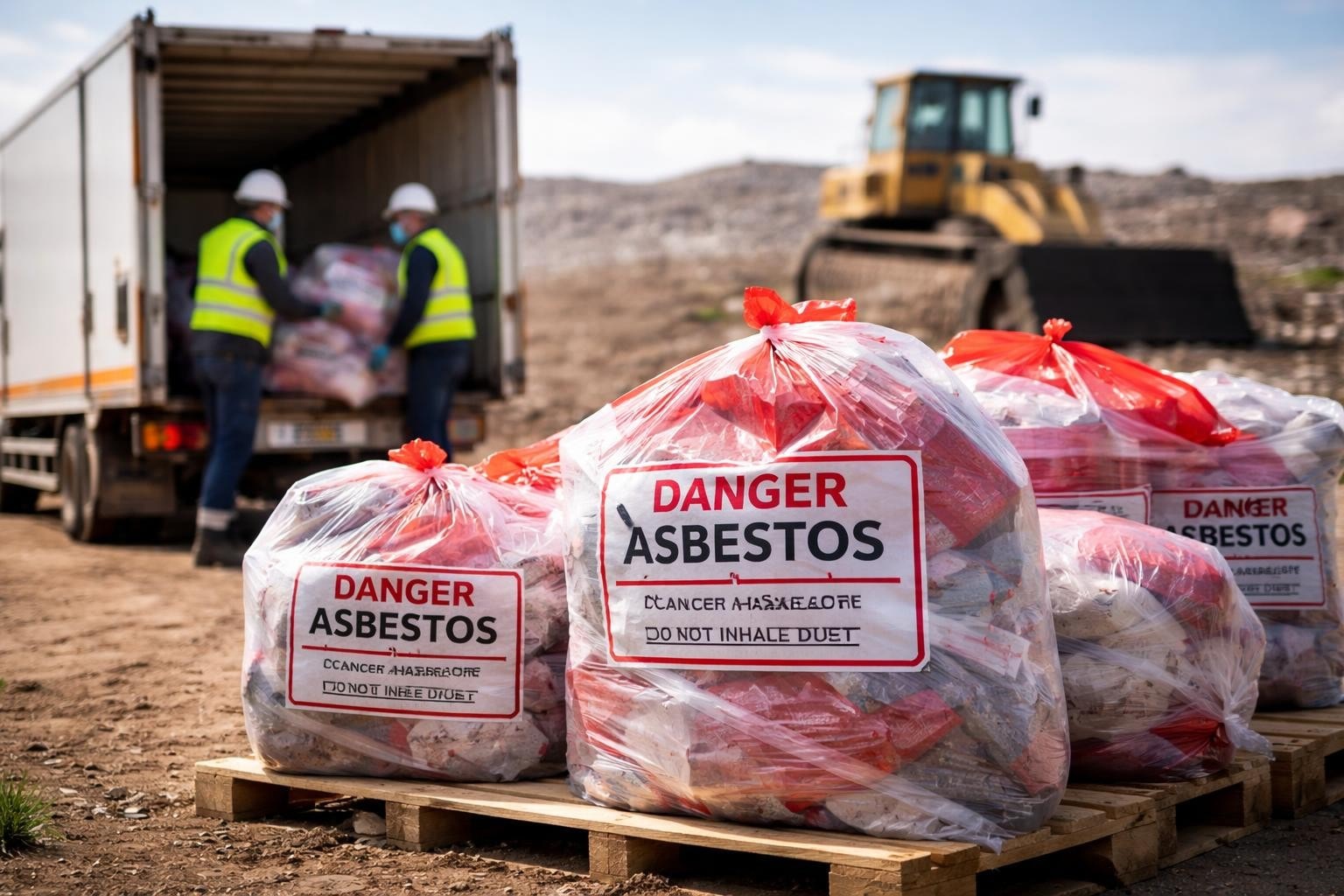
Asbestos Waste Disposal Near Me: Complete UK Guide 2026
Disposing of asbestos-containing materials (ACMs) requires specialised knowledge, licensed contractors, and strict adherence to UK regulations. When searching for "asbestos waste disposal near me", property owners and contractors must navigate a complex regulatory framework whilst ensuring the safety of workers, occupants, and the environment. This comprehensive guide explores everything you need to know about locating appropriate disposal facilities, understanding legal requirements, and executing compliant asbestos waste disposal across the United Kingdom in 2026.
Understanding Asbestos Waste Classification
The proper classification of asbestos waste forms the foundation of compliant disposal. All asbestos waste in the UK is classified as hazardous waste, requiring specific handling procedures and documentation. This classification applies regardless of the condition of the material or the quantity involved.
Types of Asbestos Waste
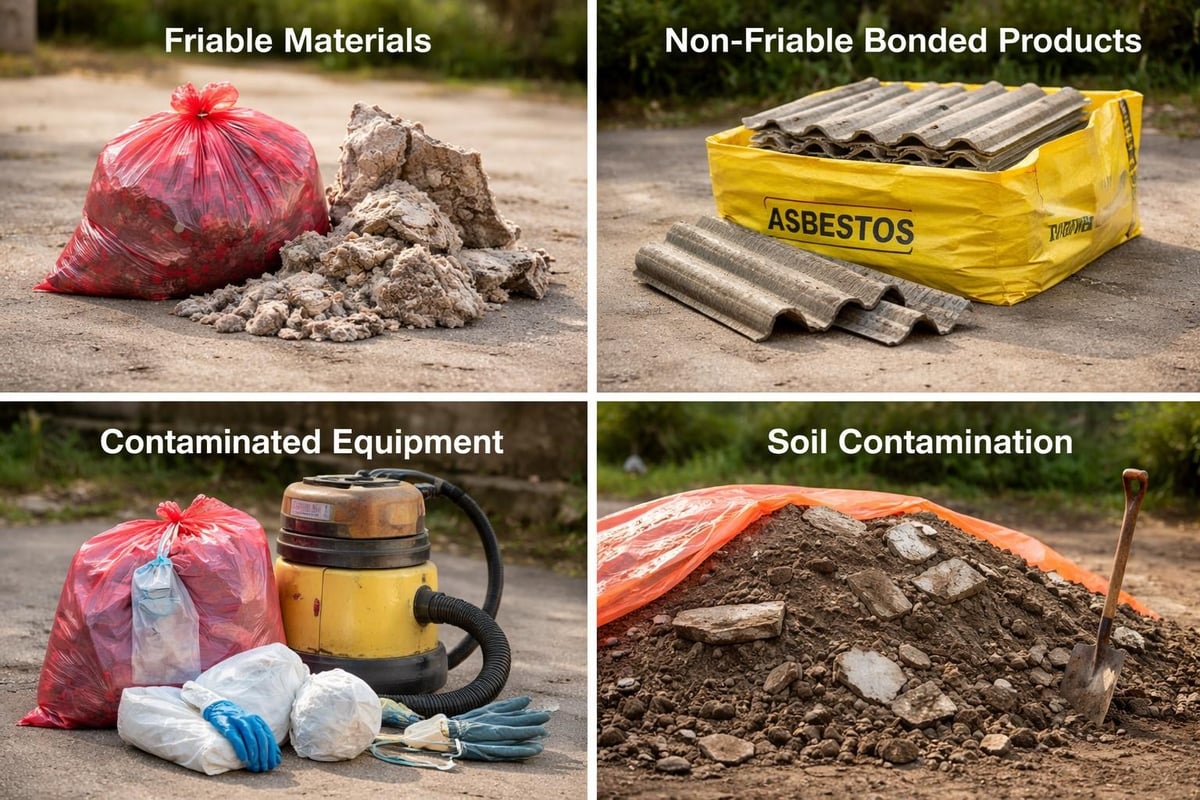
Different forms of asbestos-containing materials require varying approaches to packaging and disposal:
- Friable asbestos: Easily crumbled materials such as pipe lagging, sprayed coatings, and insulating boards
- Non-friable asbestos: Bonded materials including asbestos cement sheets, floor tiles, and textured coatings
- Contaminated materials: Protective equipment, sheeting, and tools exposed to asbestos during removal work
- Soil and rubble: Ground contaminated with asbestos fibres from deteriorated materials
The Control of Asbestos Regulations 2012 mandates that all waste containing asbestos must be handled by licensed professionals when dealing with quantities above certain thresholds. This legislation ensures that asbestos laws and regulations are followed meticulously throughout the disposal process.
Locating Licensed Asbestos Disposal Facilities
Finding appropriate facilities when searching for "asbestos waste disposal near me" requires verification of proper licensing and capabilities. Not all waste management sites accept asbestos materials, and those that do must hold specific environmental permits.
Key Facility Requirements
| Requirement | Details | Verification Method |
|---|---|---|
| Environmental Permit | Issued by Environment Agency or equivalent | Check EA public register |
| Asbestos Cell | Designated, lined disposal area | Site inspection records |
| Acceptance Criteria | Specific ACM types accepted | Pre-acceptance documentation |
| Operating Hours | Availability for deliveries | Direct facility contact |
Licensed disposal facilities operate under strict environmental controls. The standards for active waste disposal sites provide comprehensive guidance on emission control and site maintenance that UK facilities incorporate into their operations.
Your search for "asbestos waste disposal near me" should begin with the Environment Agency's public register, which lists all permitted waste facilities in England. Scotland, Wales, and Northern Ireland maintain separate registers through their respective environmental agencies.
Regional Availability Considerations
Southern England benefits from numerous licensed facilities, particularly around major urban centres. Northern regions may require longer transportation distances, impacting overall project costs. Rural areas often necessitate coordination with specialist waste carriers who serve wider geographical territories.
When selecting a facility, consider:
- Distance from your project site
- Acceptance of your specific asbestos type
- Required pre-notification period
- Weighbridge availability
- Documentation requirements
Legal Requirements for Asbestos Waste Disposal
Compliance with UK legislation is non-negotiable when handling asbestos waste disposal near me searches. Multiple regulatory frameworks govern different aspects of the disposal process.
Duty of Care
The Environmental Protection Act 1990 establishes a duty of care requiring waste producers to:
- Package asbestos waste securely in approved containers
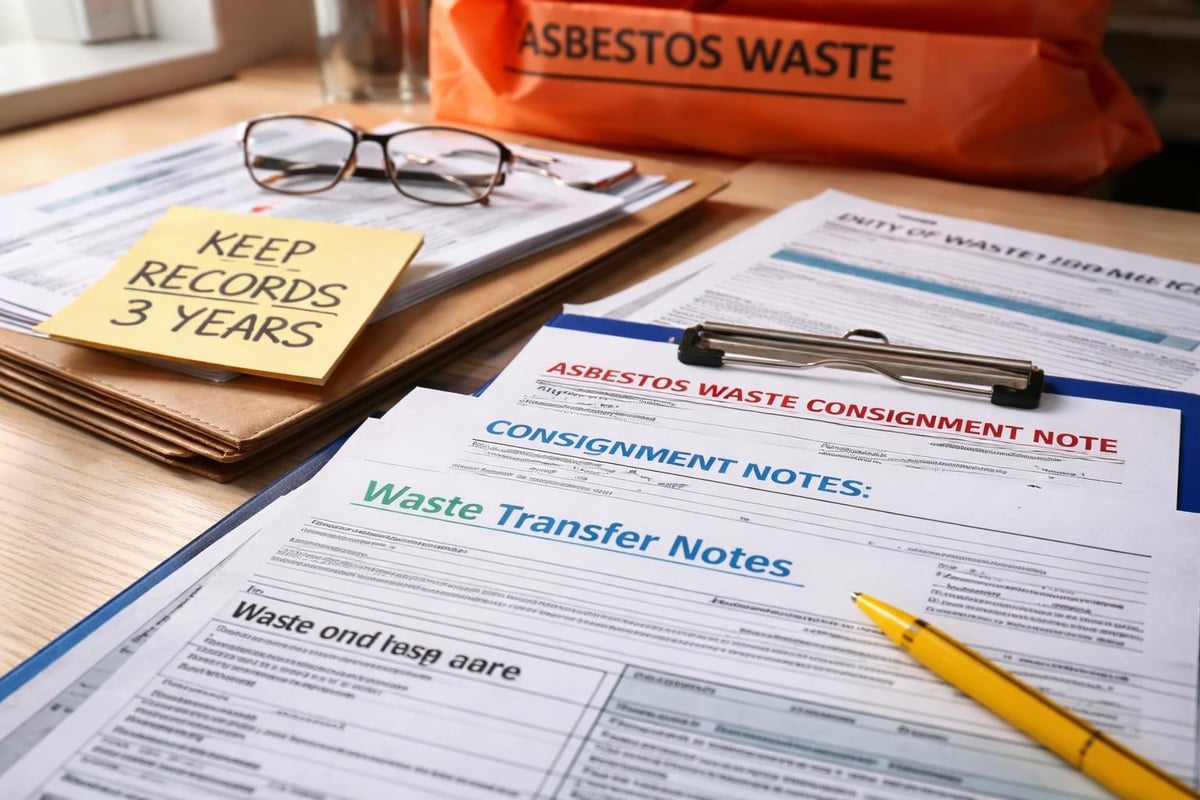
- Complete accurate waste transfer notes
- Ensure waste reaches a licensed facility
- Maintain records for three years minimum
Written descriptions of the waste must accompany all transfers, specifying the type of asbestos, quantity, and packaging method employed. This documentation chain ensures traceability throughout the disposal process.
The federal standards for waste disposal from manufacturing and demolition operations provide international context for UK regulations, though domestic requirements take precedence.
Consignment Note System
Every movement of asbestos waste requires a hazardous waste consignment note. This seven-part document tracks waste from collection through final disposal:
| Section | Purpose | Retained By |
|---|---|---|
| Part A | Waste description | Producer, carrier, facility |
| Part B | Carrier details | All parties |
| Part C | Facility acceptance | Producer (returned copy) |
| Part D | Journey record | Carrier |
Electronic consignment notes increasingly replace paper systems, streamlining compliance whilst maintaining full audit trails. The Environment Agency's online portal facilitates digital submission and record-keeping.
Packaging and Transportation Standards
Proper packaging protects workers and the public during asbestos waste transportation. When arranging "asbestos waste disposal near me" services, verify that contractors employ approved packaging methods.
Approved Packaging Materials
Double-bagging remains the standard approach for most asbestos waste. The inner bag contains the waste and any contaminated materials, whilst the outer bag provides additional protection. Both bags must:
- Bear UN-approved labelling for asbestos waste
- Be manufactured from thick polythene (minimum 0.2mm gauge)
- Display clear asbestos warning labels
- Remain sealed with appropriate tape or cable ties
Rigid containers suit larger volumes or more hazardous materials. Purpose-built asbestos skips feature sealed lids and clear warning signage. Sheet materials often require wrapping in polythene and securing with tape before containerisation.
Transportation Compliance
Licensed waste carriers must transport asbestos to disposal facilities. The Hazardous Waste Regulations 2005 (as amended) specify that:
- Vehicles display appropriate hazard placards
- Drivers receive asbestos awareness training
- Emergency procedures are readily available
- Vehicles undergo regular inspection
Journey planning should minimise public exposure and avoid unnecessary delays. Direct routes to the disposal facility reduce risk whilst ensuring materials reach their destination promptly. Understanding asbestos-containing materials handling during demolition provides valuable context for transportation planning.
Cost Factors for Asbestos Disposal
Budget planning for "asbestos waste disposal near me" projects requires understanding multiple cost components. Disposal fees vary considerably based on several factors.
Primary Cost Elements
- Waste volume: Calculated by weight or container quantity
- Material type: Friable asbestos typically costs more than bonded materials
- Distance: Transportation charges increase with facility distance
- Packaging: Purpose-built containers add to overall expenses
- Documentation: Consignment note fees and administrative costs
Typical disposal costs in 2026 range from £150 to £400 per tonne for non-friable asbestos cement products. Friable asbestos disposal often commands premium rates, reflecting the additional handling precautions required.
| Waste Type | Typical Cost Range (per tonne) | Additional Considerations |
|---|---|---|
| Asbestos cement sheets | £180-£280 | Volume discounts may apply |
| Friable insulation | £300-£500 | Specialist packaging required |
| Contaminated PPE | £200-£350 | Minimum charge often applies |
| Mixed ACM waste | £250-£400 | Pre-sorting may reduce costs |
Hidden Costs to Consider
Waiting time charges may apply if disposal facilities experience delays. Rejected loads incur return transportation costs plus storage fees. Incorrect documentation can result in administrative charges and project delays.
Pre-Disposal Survey Requirements
Before arranging asbestos waste disposal near me services, comprehensive surveying ensures accurate waste identification and quantification. Professional surveys provide the foundation for compliant disposal planning.
Survey Types and Their Role
Management surveys identify asbestos presence and condition in buildings scheduled for ongoing occupation. These surveys inform maintenance plans and partial removal projects. Asbestosurv Ltd provides thorough management surveys that document ACM locations, types, and recommended actions.
Refurbishment and demolition surveys offer comprehensive identification before major works commence. These intrusive surveys locate all asbestos within affected areas, enabling complete removal before renovation or demolition proceeds.
Survey reports must specify:
- Precise ACM locations
- Material types and conditions
- Estimated quantities
- Recommended removal priorities
- Disposal route recommendations
Quantification Accuracy
Accurate waste quantification prevents costly over-ordering of disposal services whilst ensuring sufficient capacity. Surveyors employ various measurement techniques:
- Direct measurement of visible materials
- Cavity inspection using endoscopes
- Sample analysis for material density
- Historical building records review
Laboratory analysis confirms asbestos presence and type, informing disposal classification decisions. This scientific approach eliminates guesswork and ensures regulatory compliance.
Selecting Qualified Disposal Contractors
Identifying reputable contractors for "asbestos waste disposal near me" searches protects your project from compliance failures and potential liabilities. Verification of credentials and experience proves essential.
Essential Contractor Qualifications
Licensed asbestos removal contractors must hold appropriate certification from the Health and Safety Executive. Notification requirements vary based on work duration and scope:
- Work exceeding one hour requires HSE notification
- Licensed work involves specific asbestos types
- Non-licensed work still requires competent contractors
Insurance coverage should include:
- Public liability (minimum £5 million)
- Employers' liability (minimum £10 million)
- Professional indemnity
- Environmental liability
Request evidence of current insurance certificates before engaging any contractor. Expired coverage exposes property owners to significant financial risk.
Verification Procedures
Check contractor credentials through multiple sources:
- HSE licensed contractor register
- Environment Agency waste carrier licence
- Trade association memberships (ARCA, ACAD)
- Client testimonials and case studies
- Previous project portfolio
Site-specific method statements demonstrate contractor competence. These documents should detail removal procedures, waste packaging methods, transportation arrangements, and disposal facility details.
Regional Disposal Facility Networks
The distribution of licensed asbestos disposal facilities across the UK influences project logistics and costs. Understanding regional availability helps optimise "asbestos waste disposal near me" search outcomes.
England's Facility Distribution
England hosts the majority of UK asbestos disposal facilities, concentrated around major population centres. London and the Southeast benefit from excellent facility density, whilst Southwest regions may require longer transportation distances.
The federal requirements for asbestos landfills offer international perspective on facility operations, though UK-specific regulations apply domestically.

Scotland, Wales, and Northern Ireland
Scotland operates several licensed facilities, though concentration in central regions may necessitate extended journeys from remote areas. Wales provides adequate coverage for major urban centres, with facilities accepting various ACM types.
Northern Ireland maintains licensed disposal capacity, though some projects may benefit from coordination with facilities across the border depending on proximity.
Air Monitoring and Compliance Verification
Professional air monitoring ensures asbestos waste disposal near me activities maintain safe conditions throughout the removal and disposal process. This critical safety measure protects workers and building occupants.
Monitoring Protocols
Background monitoring establishes baseline airborne fibre levels before work commences. Leak testing during removal operations detects potential enclosure failures. Reassurance monitoring confirms safe reoccupation after project completion.
Qualified analysts must interpret monitoring results using established assessment criteria. The Control Limit (0.01 fibres/ml) represents the threshold for acceptable exposure during removal work. Exceedances trigger immediate work cessation and remedial measures.
Laboratory Analysis Standards
UKAS-accredited laboratories analyse air samples using phase contrast microscopy or transmission electron microscopy. Turnaround times typically range from 24 to 48 hours for standard samples, though emergency analysis services offer same-day results at premium costs.
Results documentation becomes part of the overall project record, demonstrating compliance throughout the asbestos waste disposal process. Comprehensive air monitoring services ensure all regulatory requirements are satisfied.
Alternative Disposal Methods
Whilst landfill disposal dominates asbestos waste management, alternative technologies continue development. Understanding emerging options may benefit future "asbestos waste disposal near me" searches.
Thermal Treatment Technologies
High-temperature incineration transforms asbestos into non-hazardous silicate materials. However, limited UK facility availability and high costs restrict widespread adoption. This method suits specific industrial applications rather than general construction waste.
Vitrification processes melt asbestos-containing materials, destroying the fibrous structure. The resulting glass-like material poses no asbestos risk, though energy requirements and processing costs currently exceed conventional disposal expenses.
Chemical Treatment Approaches
Research continues into chemical processes that alter asbestos crystal structures, rendering materials harmless. Commercial viability remains limited in 2026, though technological advances may increase future availability.
Emergency Disposal Situations
Unexpected asbestos discoveries or damage incidents require urgent disposal arrangements. Emergency "asbestos waste disposal near me" searches demand rapid response whilst maintaining regulatory compliance.
Immediate Response Procedures
- Isolate the affected area immediately
- Restrict access to essential personnel only
- Contact licensed asbestos removal contractors
- Arrange emergency air monitoring
- Secure rapid disposal facility booking
Out-of-hours services command premium rates but prove essential for situations threatening public safety. Many licensed contractors maintain emergency response capabilities, though availability varies regionally.
Regulatory Notifications
Emergency situations may still require HSE notification, though expedited processes may apply. The asbestos NESHAP regulations overview demonstrates the international regulatory framework surrounding urgent asbestos response.
Contact your local HSE office immediately when emergency work becomes necessary. Failure to notify can result in enforcement action despite the urgent circumstances.
Record Retention and Audit Trails
Comprehensive documentation proves essential for demonstrating compliance long after asbestos waste disposal near me projects complete. Regulatory requirements mandate minimum retention periods.
Required Documentation
Project records should include:
- Original survey reports and laboratory analyses
- Licensed contractor certificates and insurance evidence
- Method statements and risk assessments
- Air monitoring results and clearance certificates
- Consignment notes and disposal facility receipts
- Photographic evidence of packaging and removal
Electronic storage facilitates easy retrieval whilst protecting against document loss. Cloud-based systems with appropriate security measures offer convenient access for compliance audits.
Audit Preparation
Regular compliance audits by environmental health officers or HSE inspectors may occur. Organised record systems enable rapid response to information requests, demonstrating professional management standards.
The three-year minimum retention period for waste documentation represents the legal baseline. However, longer retention proves prudent for:
- Building redevelopment records (10+ years)
- Potential liability claims (indefinite)
- Corporate governance requirements (varies)
Proper asbestos waste disposal requires professional expertise, comprehensive planning, and strict regulatory compliance throughout every project phase. Understanding the complexities of locating licensed facilities, meeting documentation requirements, and selecting qualified contractors ensures safe, compliant disposal outcomes. Asbestosurv Ltd provides comprehensive asbestos surveys, management services, and expert consultancy to guide your organisation through every aspect of asbestos compliance, from initial identification through safe disposal at licensed facilities.
Need Professional Asbestos Advice?
Contact our expert team for guidance on your specific requirements
Contact Us