

Management and Removal of Asbestos: Complete Guide
Asbestos remains one of the most significant health hazards in buildings constructed before the year 2000, affecting millions of properties across the United Kingdom. Despite its ban in 1999, the legacy of this once-popular building material continues to pose substantial risks to building occupants, maintenance workers, and contractors. Professional management and removal of asbestos requires specialist knowledge, careful planning, and strict adherence to regulatory frameworks designed to protect public health. Understanding the comprehensive processes involved in identifying, managing, and safely removing asbestos-containing materials is essential for property owners, facilities managers, and anyone responsible for building safety.
Understanding Asbestos in UK Buildings
Asbestos fibres were extensively used in construction materials throughout the twentieth century due to their exceptional fire resistance, insulating properties, and structural strength. Buildings erected between 1950 and 2000 are particularly likely to contain asbestos in various forms, from insulation boards and ceiling tiles to pipe lagging and textured coatings.
The three primary types of asbestos found in UK properties include:
- Crocidolite (blue asbestos) - the most dangerous form, typically found in pipe insulation and spray coatings
- Amosite (brown asbestos) - commonly used in cement sheets, insulation boards, and thermal insulation
- Chrysotile (white asbestos) - the most widely used type, present in roofing materials, floor tiles, and asbestos cement
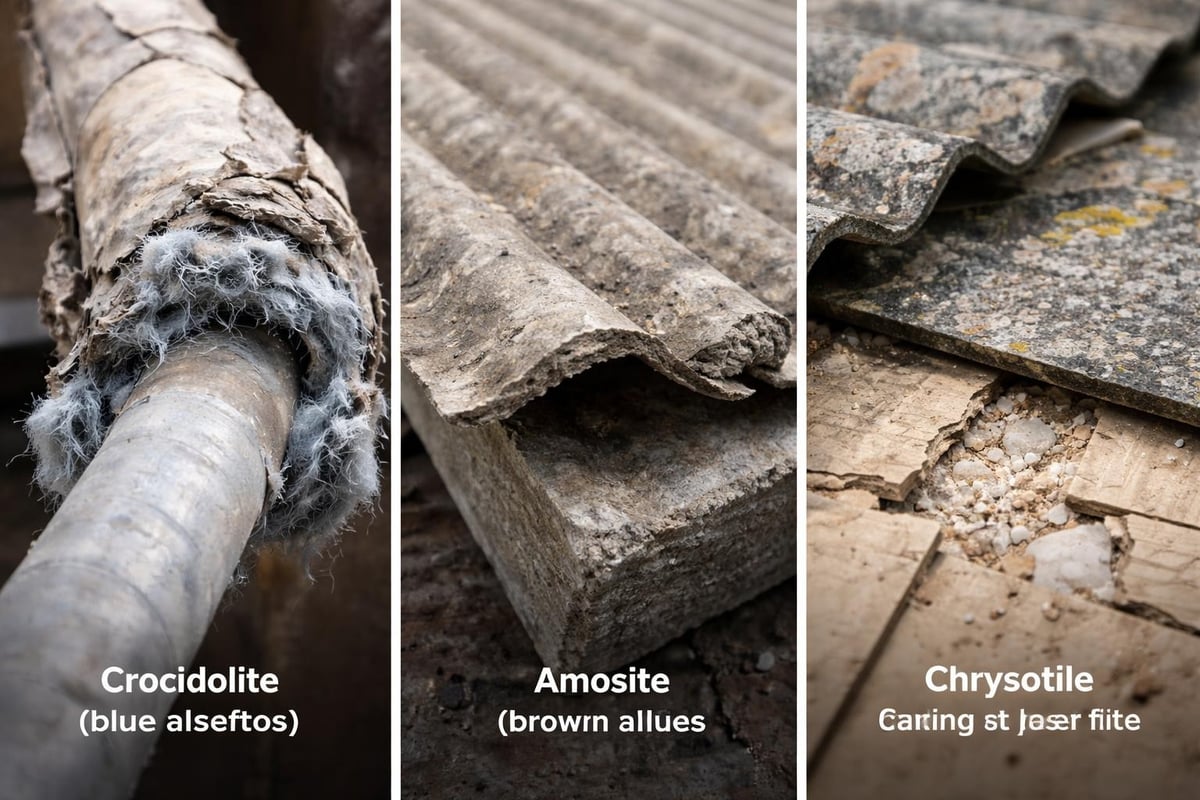
Material condition significantly affects risk levels. Asbestos in good condition and left undisturbed poses minimal immediate threat, whereas damaged or deteriorating materials release dangerous fibres into the air. Understanding asbestos characteristics forms the foundation of any effective management strategy.
Regulatory Framework and Legal Obligations
The Control of Asbestos Regulations 2012 establishes comprehensive legal requirements for managing asbestos in non-domestic premises. These regulations impose a "duty to manage" upon those responsible for building maintenance, requiring them to identify asbestos presence, assess its condition, and implement appropriate control measures.
Key Regulatory Requirements
Property owners and duty holders must fulfil several critical obligations:
- Conduct thorough asbestos surveys to locate and identify asbestos-containing materials
- Maintain accurate asbestos registers documenting all known or presumed asbestos locations
- Develop comprehensive management plans outlining control measures and monitoring schedules
- Provide clear information to anyone who might disturb asbestos during maintenance or construction work
- Review and update management plans regularly to reflect building changes or material deterioration
The EPA's asbestos NESHAP regulations provide additional context on emission standards during renovation and demolition activities. Landlords face specific obligations detailed in duty to manage guidelines, which extend beyond general property management responsibilities.
Failure to comply with these regulations can result in substantial fines, imprisonment, and civil liability for damages. The Health and Safety Executive actively enforces compliance through inspections and prosecutions.
Professional Asbestos Survey Methodologies
Effective management and removal of asbestos begins with accurate identification through professional surveying. Two primary survey types serve different purposes within the regulatory framework.
| Survey Type | Purpose | Scope | When Required |
|---|---|---|---|
| Management Survey | Ongoing material monitoring | Normal building activities | All non-domestic premises |
| Refurbishment/Demolition Survey | Pre-work identification | Intrusive full building inspection | Before major works or demolition |
| Re-inspection Survey | Condition monitoring | Previously identified materials | Annually or as specified |
Management surveys provide essential baseline information for developing control strategies. These non-intrusive assessments identify accessible asbestos materials and evaluate their condition through visual inspection and sampling where necessary.
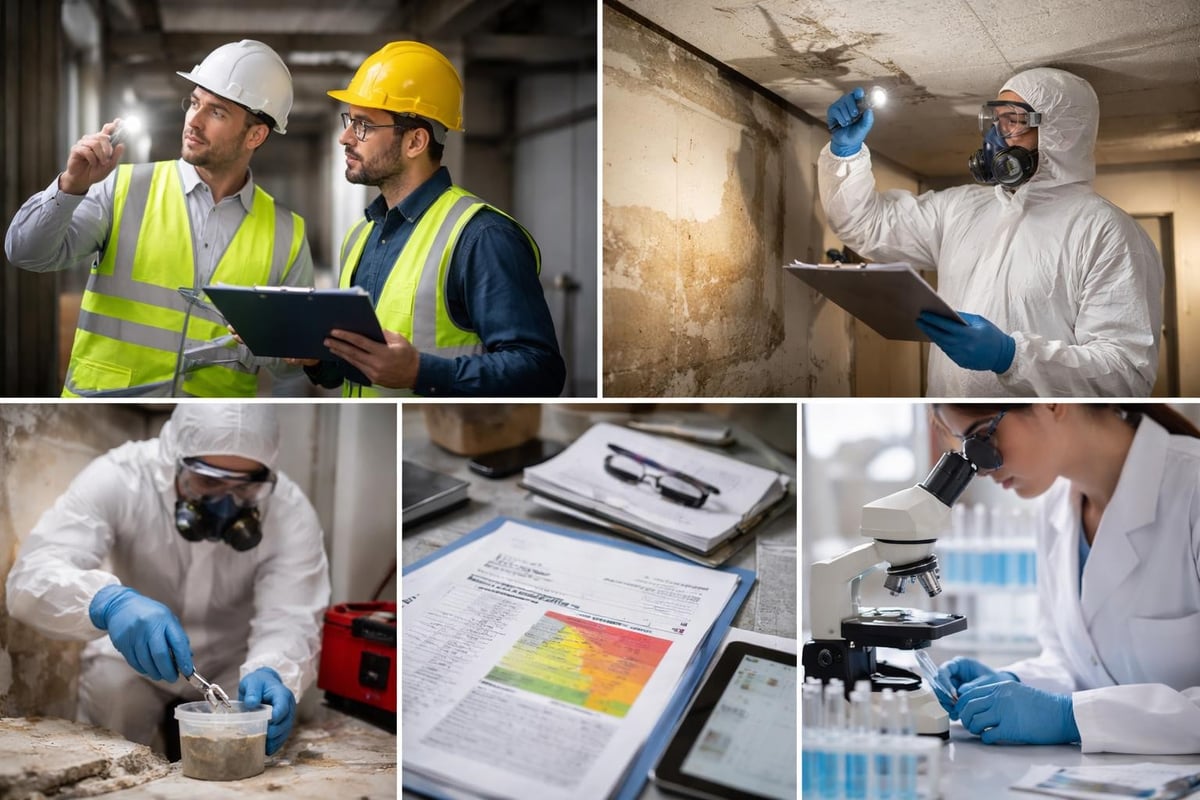
Refurbishment and demolition surveys require more extensive investigation, often involving destructive inspection techniques to access concealed areas. These comprehensive assessments ensure contractors can work safely without unexpected asbestos exposure.
Survey Quality and Accreditation
Qualified surveyors must possess appropriate training and certification to conduct asbestos surveys. The United Kingdom Accreditation Service (UKAS) provides independent verification of surveyor competence and analytical laboratory standards. Engaging UKAS-accredited consultants ensures survey reliability and regulatory compliance.
Developing Effective Asbestos Management Plans
Once surveys identify asbestos presence, comprehensive management plans translate findings into practical control strategies. These living documents guide daily operations and inform long-term property strategies.
Effective management plans incorporate several essential components:
- Detailed material registers with locations, conditions, and photographic evidence
- Risk assessments evaluating likelihood of disturbance and potential exposure
- Control measures specifying encapsulation, labelling, or restricted access requirements
- Monitoring schedules establishing re-inspection frequencies based on material condition
- Emergency procedures for accidental disturbance or damage
- Training requirements for staff who may encounter asbestos
The EPA's operations and maintenance program guidance offers valuable frameworks applicable to UK contexts. Regular plan reviews ensure management strategies remain current as building uses evolve or material conditions change.
Educational facilities face unique challenges requiring specialised approaches outlined in asbestos in schools checklists, balancing ongoing operations with pupil safety.
Safe Removal Procedures and Contractor Selection
When management strategies prove insufficient or building works necessitate material removal, professional management and removal of asbestos requires licensed contractors operating under strict regulatory controls. The Health and Safety Executive licenses contractors for work with high-risk asbestos types and larger-scale projects.
Removal Project Planning
Successful asbestos removal projects follow structured planning processes:
- Pre-removal surveys confirm material types, quantities, and locations
- Method statements detail removal techniques, containment measures, and waste management
- Notification requirements inform regulatory authorities before work commences
- Site preparation establishes controlled areas with appropriate barriers and ventilation
- Removal execution following approved methods with continuous monitoring
- Clearance testing through air monitoring confirms safe completion
Licensed removal contractors employ specialised equipment including negative pressure units, decontamination facilities, and personal protective equipment. Removal methods vary depending on material type and location, with encapsulation or enclosure sometimes providing viable alternatives to complete removal.
Removal and remediation consultancy services help clients navigate contractor selection, ensuring qualified firms undertake work to appropriate standards. Independent oversight protects building owners from substandard practices that might compromise safety or regulatory compliance.
Waste Management and Disposal Requirements
Proper disposal represents a critical component of safe management and removal of asbestos. Asbestos waste classification as hazardous material imposes strict handling, transportation, and disposal requirements designed to prevent environmental contamination.
Transportation and Packaging Standards
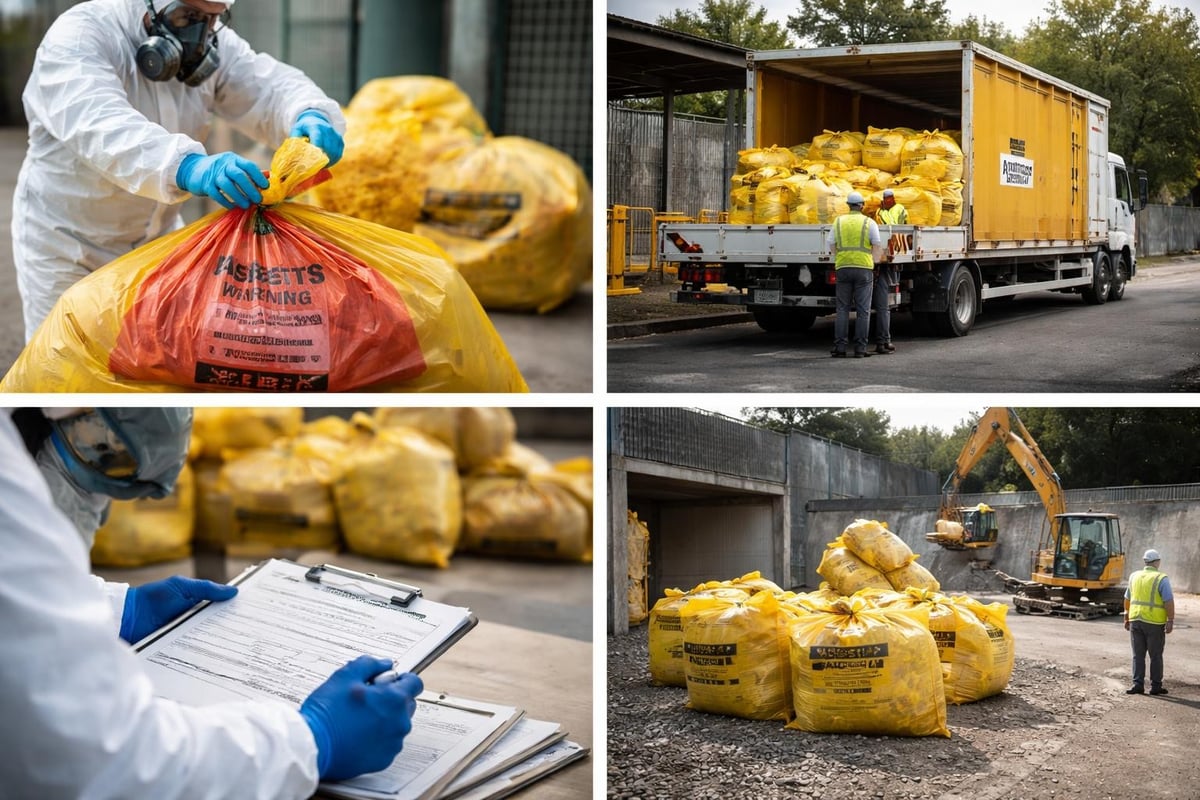
Asbestos waste must be:
- Double-wrapped in sealed, labelled polythene bags or wrapped and secured with appropriate tape
- Transported by licensed waste carriers with appropriate vehicle permits
- Accompanied by consignment notes documenting waste origin, quantity, and destination
- Delivered exclusively to licensed disposal facilities authorised to accept asbestos waste
The legal regulations governing asbestos disposal provide comprehensive guidance on packaging requirements and transportation protocols. Federal waste disposal standards offer additional context on approved disposal site requirements.
| Disposal Method | Application | Requirements |
|---|---|---|
| Licensed landfill | Most asbestos waste | Designated cells, burial protocols |
| High-temperature treatment | Limited applications | Specialist facilities only |
| Encapsulation on-site | Demolition projects | Regulatory approval required |
Maintaining comprehensive waste documentation creates essential audit trails demonstrating regulatory compliance. Pre-refurbishment checklists help property managers plan waste management logistics before removal projects commence.
Monitoring and Clearance Testing Protocols
Verification testing confirms removal work completeness and area safety before reoccupation. Air monitoring and clearance testing employs rigorous sampling protocols to detect any residual fibre contamination.
Clearance procedures typically involve:
- Visual inspection confirming thorough cleaning and material removal
- Air sampling using specified collection methods and durations
- Laboratory analysis by UKAS-accredited facilities using approved techniques
- Clearance certification documenting safe reoccupation approval
The EPA's monitoring guidelines emphasise periodic surveillance importance beyond initial clearance testing. Ongoing monitoring ensures undisturbed materials remain in acceptable condition.
Background air sampling establishes baseline fibre levels in occupied areas, whilst aggressive air sampling during removal work confirms containment effectiveness. Four-stage clearance testing provides comprehensive verification: initial visual assessment, thorough cleaning, air testing, and final inspection.
Managing Asbestos During Demolition Projects
Demolition projects present unique challenges requiring enhanced management and removal of asbestos procedures. Complete building surveys must identify all asbestos materials before any destructive work commences, protecting demolition workers and preventing environmental contamination.
The EPA's guidance on asbestos in demolition projects outlines comprehensive requirements for pre-demolition surveys and removal sequencing. UK regulations similarly mandate complete asbestos removal before structural demolition begins, except where specialist techniques allow concurrent operations under strict controls.
Demolition Planning Considerations
Successful demolition projects addressing asbestos incorporate several critical elements:
- Early survey commissioning allowing adequate removal scheduling
- Coordination between asbestos contractors and demolition teams
- Phased removal strategies for complex multi-building sites
- Continuous monitoring protecting workers and nearby properties
- Comprehensive record-keeping documenting all removed materials
Project management services coordinate these multiple disciplines, ensuring seamless transitions between removal and demolition phases whilst maintaining regulatory compliance throughout.
Training and Competency Requirements
Everyone potentially encountering asbestos requires appropriate awareness training proportionate to their role and exposure risk. The regulatory framework establishes clear competency standards for different work categories.
Non-licensed work with lower-risk materials requires basic asbestos awareness training covering:
- Recognition of common asbestos materials
- Health risks from fibre exposure
- Legal duties and prohibitions
- Emergency procedures for accidental disturbance
Licensed removal work demands comprehensive training through approved providers, covering advanced techniques, respiratory protection, decontamination procedures, and emergency response protocols. Annual refresher training maintains competency currency.
Training and awareness programmes tailored to organisational needs ensure staff understand their responsibilities. Building managers, maintenance personnel, and contractors all require role-specific training supporting safe asbestos management.
Technology and Digital Compliance Solutions
Modern asbestos management increasingly leverages digital technologies enhancing accuracy, accessibility, and compliance tracking. Electronic asbestos registers provide real-time information access for facilities teams, contractors, and emergency responders.
Digital compliance platforms offer numerous advantages over traditional paper-based systems:
- Cloud-based accessibility enabling information retrieval from any location
- Automated reminders for scheduled re-inspections and plan reviews
- Photographic documentation illustrating material locations and conditions
- Audit trails recording all register updates and access activities
- Integration capabilities connecting with broader facilities management systems
These technological solutions support compliance whilst reducing administrative burdens associated with managing extensive asbestos documentation across multiple properties or portfolios.
Quality Assurance and Compliance Auditing
Ongoing compliance audits verify management plan effectiveness and identify improvement opportunities. Independent auditing provides objective assessments of organisational asbestos management performance against regulatory requirements and industry best practices.
Comprehensive audits examine:
- Survey quality and completeness
- Management plan adequacy and currency
- Staff training records and competency evidence
- Contractor selection and oversight procedures
- Documentation quality and accessibility
- Incident reporting and investigation processes
Regular auditing demonstrates due diligence, protects organisations from regulatory enforcement action, and most importantly, ensures effective health protection for building occupants and workers. Third-party verification through quality management systems provides additional assurance of professional standards.
Regional Considerations Across the UK
Whilst asbestos regulations apply uniformly across the United Kingdom, regional building characteristics and local authority approaches may influence management strategies. Properties in areas with significant industrial heritage often contain extensive asbestos materials reflecting historical manufacturing uses.
Specialist consultants operating across London, Essex, Kent, and surrounding regions understand local building stock characteristics and maintain established relationships with regional laboratories and licensed contractors. This local expertise facilitates efficient project delivery whilst ensuring compliance with national regulatory standards.
Urban environments present particular challenges coordinating removal works around occupied properties, requiring careful scheduling and enhanced containment measures protecting neighbouring residents and businesses.
Effective management and removal of asbestos demands specialist expertise, meticulous planning, and unwavering commitment to regulatory compliance. Property owners and facilities managers must remain vigilant in identifying asbestos hazards, implementing appropriate control measures, and engaging qualified professionals for surveys, monitoring, and removal works. Whether you require comprehensive management surveys, specialist air monitoring, or expert consultancy guidance, Asbestosurv Ltd delivers professional asbestos services across the UK, ensuring your properties remain safe, compliant, and properly managed for the long term.
Need Professional Asbestos Advice?
Contact our expert team for guidance on your specific requirements
Contact Us